Info
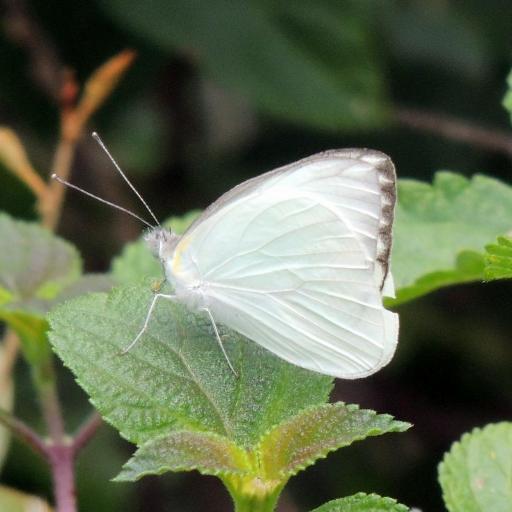
The Striped Albatross (Appias libythea) is a swift, sun-loving butterfly that darts through gardens like a small white streak. Named after the legendary sea bird for its powerful and tireless flight, this butterfly is a common and welcome sight across South and Southeast Asia. While it may look like a simple white butterfly at a distance, a closer look reveals an intricate, "pinstriped" elegance that makes it a favorite among backyard observers.
🔍 How to Identify
- 🦋 Wing Pattern: The wings feature a snowy white background decorated with bold, dark brown or black veins that look like they were drawn with a fine-tipped pen.
- 👫 Gender Differences: You can tell them apart easily! Males are mostly bright white with thin black edges, while females are much more dramatic, featuring heavy, dark dusting across their wings.
- 📐 Wing Shape: Look for a distinctively pointed tip on the forewings, a structural adaptation that allows them to fly much faster than many other garden butterflies.
🌿 Habitat & Behavior
- 💧 The "Puddling" Party: You will often find groups of these butterflies gathered around damp patches of soil or muddy puddles. They are "puddling"—absorbing essential salts and minerals from the ground that they can't get from flower nectar.
- 🌸 Busy Pollinator: They are active during the brightest parts of the day, visiting a wide variety of flowers. They are particularly fond of Caper bushes (Capparis), which serve as the primary nursery for their tiny green caterpillars.
⚠️ Safety & Toxicity
- ✅ Harmless Friend: The Striped Albatross is completely safe for humans, children, and pets. It does not bite, sting, or carry any toxins.
- 🛡️ Gentle Presence: While they are incredibly fast and hard to catch, they are delicate creatures. If one happens to land on you, it is simply looking for a salty snack from your skin!
✨ Fun Fact
During the peak of their breeding season, Striped Albatrosses are known to join massive migratory flights, moving in huge "clouds" of thousands of individuals to find fresh feeding grounds.
More Details








