Info
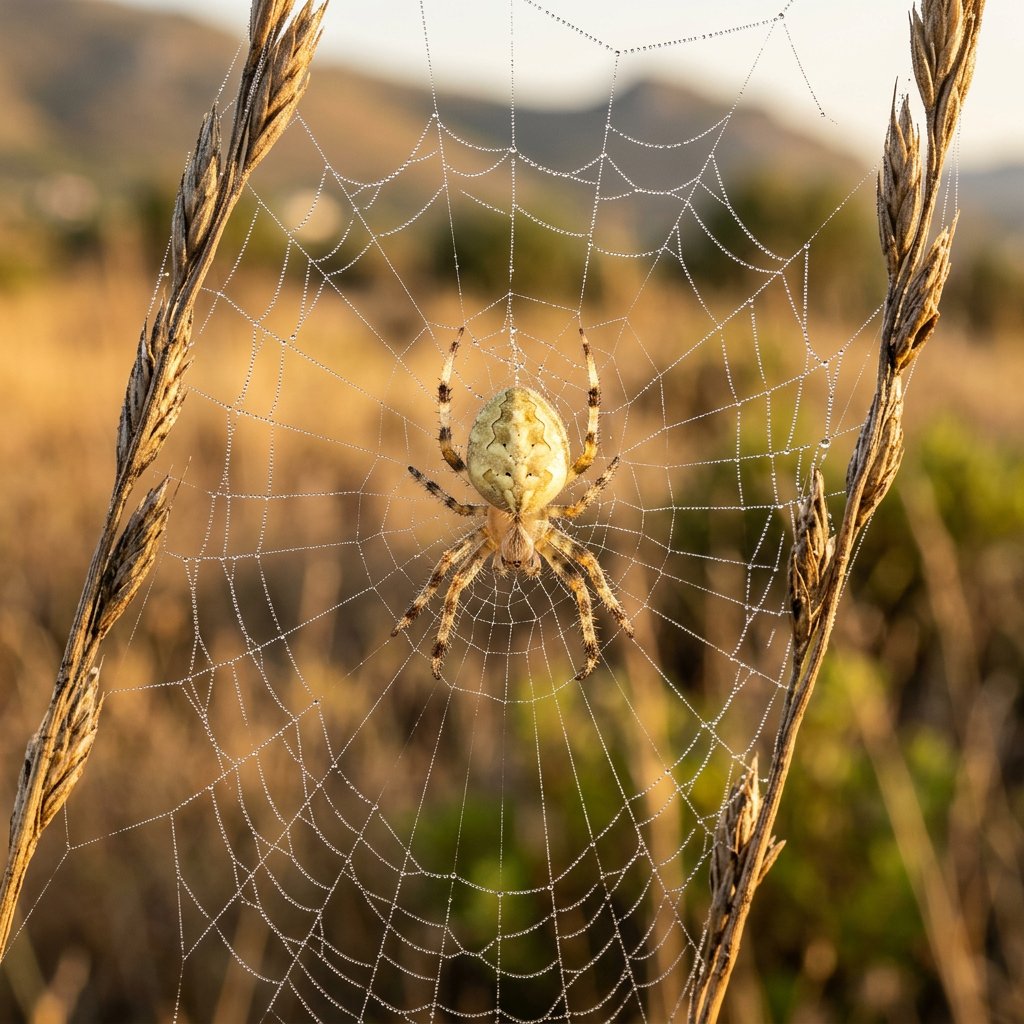
Often called the Pale Orb-weaver, Araneus pallidus is a master architect found draped across the sun-drenched gardens of Southern Europe and North Africa. While its large, bulbous body and "spiked" appearance might look intimidating, this spider is a silent protector of your plants. In Mediterranean folklore, finding one in your garden is often seen as a sign of a healthy, thriving ecosystem.
🔍 How to Identify
- 🍐 The Abdomen: It features a large, triangular or heart-shaped abdomen, notable for two distinct "humps" or tubercles near the front, giving it a slightly armored look.
- 🎨 Color Palette: As the name suggests, it is often paler than its cousins, ranging from creamy beige to sandy brown, decorated with a subtle, marbled pattern rather than a distinct white cross.
- 🕸️ The Web: They spin massive, classic "wheel" webs (orb webs) that can span over a foot in diameter, often positioned at head-height between shrubs or trees.
🌲 Habitat & Ecology
- 🦗 The Nightly Recycler: This spider is an expert pest controller, feasting on flies, moths, and even large grasshoppers. Interestingly, they often eat their own web every night to "recycle" the silk proteins before building a fresh one.
- 🌿 Preferred Real Estate: You’ll typically find them in Mediterranean-style shrublands, olive groves, or hanging out near porch lights where tasty insects are attracted at night.
⚠️ Safety & Toxicity
- 🛡️ Non-Aggressive: While its size and "horns" look fierce, this spider is incredibly shy and will almost always choose to retreat or drop to the ground rather than bite.
- 🐝 The Bite: If handled roughly, it may bite in defense. The venom is not medically significant to humans—it is often described as less painful than a common bee sting—though it may cause minor localized redness.
✨ Fun Fact
Unlike many other spiders that stay in the center of their web all day, Araneus pallidus often builds a "retreat" out of a curled leaf nearby, holding a single "signal line" of silk to feel when a meal has landed in the trap!
More Details








