Info
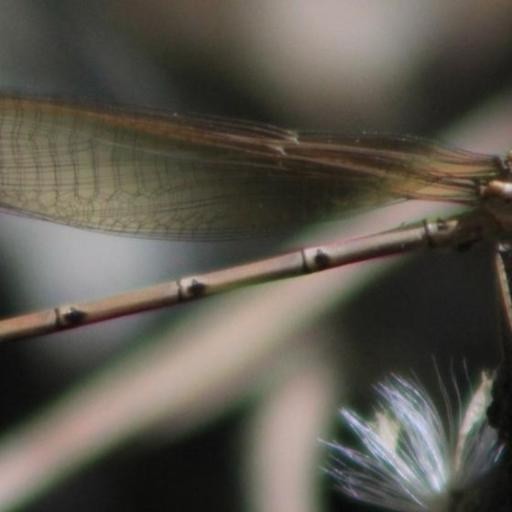
Meet the Cerulean Dancer, a vibrant blue spirit of the riverbanks and sun-drenched streams. These delicate insects are often mistaken for miniature dragonflies, but their slender bodies and graceful movements mark them as true damselflies. In many cultures, seeing these "blue jewels" skipping across the water is considered a sign of a healthy, oxygen-rich environment.
🔍 How to Identify
- 💎 Cerulean Coloring: Mature males are a striking, bright sky-blue (cerulean) with thin black rings along the length of their slender abdomens.
- 📂 Wing Positioning: When resting, they hold their four transparent wings together and parallel to their body, a key feature that distinguishes damselflies from dragonflies.
- 👀 Wide-Set Eyes: Their large compound eyes are separated on either side of a broad head, giving them a "hammerhead" look that provides a nearly 360-degree field of vision.
🌲 Habitat & Ecology
- 🌊 Flowing Water: Unlike many damselflies that prefer stagnant ponds, the Cerulean Dancer loves the edges of moving rivers, rocky streams, and clear creeks.
- 🪨 The Rock Dwellers: Most damselflies perch on tall grass, but Dancers are famous for perching on flat rocks or bare ground near the water to soak up the sun's heat.
- 🦟 Aerial Predator: They are "nature’s mosquito net." They spend their days patrolling the air to catch and eat small flies, gnats, and mosquitoes mid-flight.
⚠️ Safety & Toxicity
- 🛡️ Perfectly Safe: The Cerulean Dancer is a "friend" to humans. They do not have a stinger and their mandibles are far too small to bite a person or a pet.
- 🐕 Pet Safety: They are non-toxic. If a curious dog or cat happens to snap one out of the air, there is no risk of poisoning or irritation.
✨ Fun Fact
The name "Dancer" isn't just for show; it describes their unique flight style. While other damselflies drift or hover lazily, the Cerulean Dancer moves with quick, jerky, and rhythmic pulses that make it look like it is performing a tiny, energetic dance over the surface of the water!
More Details








