Info
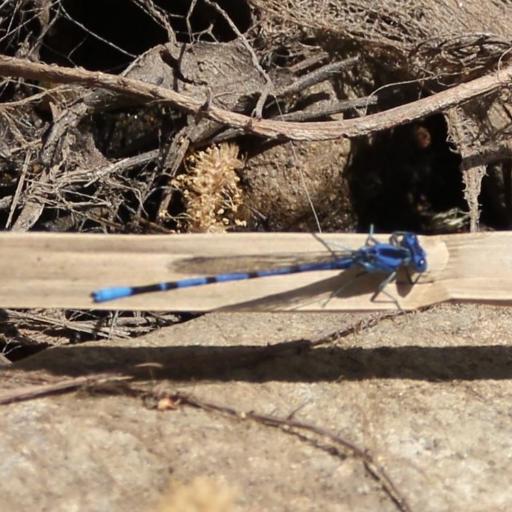
Known as the Vivid Dancer, this striking insect is a frequent visitor to spring-fed streams across Western North America. While its name suggests a ballroom performance, it actually refers to the rhythmic, bouncing flight pattern males use while patrolling their territory. These slender beauties are the aerial acrobats of the insect world, often shimmering like bits of fallen sky near the water’s edge.
🔍 How to Identify
- 💎 Electric Blue Body: Adult males are famous for their intense, "vivid" blue and black striped abdomen, which stands out brilliantly against green foliage.
- 🍂 Camouflaged Females: Unlike the flashy males, females are often a subtle tan or brownish-gray, allowing them to blend into dried grasses while laying eggs.
- 📏 Resting Posture: True to the damselfly family, the Vivid Dancer rests with its wings folded together vertically over its back, unlike dragonflies which keep their wings spread flat.
🌲 Habitat & Ecology
- 💧 Spring Specialists: You will most likely find these insects near thermal springs, seeps, or clear, slow-moving streams. They are excellent indicators of healthy, oxygenated water sources.
- 🦟 Natural Pest Control: They are voracious predators of smaller insects. From gnats to mosquitoes, the Vivid Dancer spends its day "dancing" through the air to snatch up bothersome garden pests mid-flight.
⚠️ Safety & Toxicity
- 🛡️ Status: Completely Harmless.
- 🚫 Details: Despite their needle-like appearance and pointed abdomen, they do not possess a stinger and are not aggressive toward humans. They are beneficial "friends" to have in any garden or near any pond.
✨ Fun Fact
In 2009, the Vivid Dancer was officially designated as the state insect of Nevada. It was chosen by a group of students who discovered that this resilient little flyer can be found in every single one of the state's 17 counties!
More Details








