Info
Often called the Purse-web Spider, Atypus affinis is a fascinating European relative of the tarantula. This shy architect is a "living fossil," representing a primitive lineage of spiders that has changed very little over millions of years. Though they look formidable with their oversized fangs, they are reclusive masters of camouflage that spend nearly their entire lives hidden in specialized silken tubes.
🔍 How to Identify
- 🕷️ Parallel Fangs: Unlike common garden spiders whose fangs cross like pincers, this spider has massive, downward-pointing "mygalomorph" fangs designed for stabbing through silk.
- 🌑 Robust Build: They have a glossy, thick-set body that ranges from deep chocolate brown to charcoal black, usually measuring about 10–15mm in length.
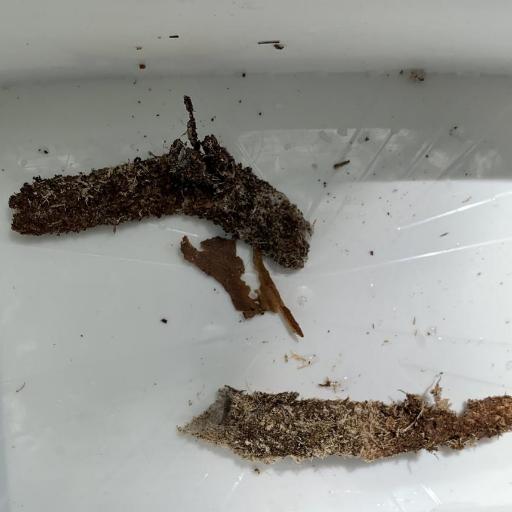
- 🧣 The Silken "Purse": The most iconic sign of their presence is a 10–20cm long silken tube that looks like a dirty, discarded finger or a dead root protruding from the soil.
🌲 Habitat & Ecology
- 🏘️ The Underground Fortress: This spider is a true homebody. It digs a deep vertical burrow and extends a silken tube across the ground surface. It spends almost its entire life (up to 8 years!) inside this structure.
- 🐜 The "Zip-Lock" Hunter: When an unsuspecting insect walks over the silken tube, the spider feels the vibrations, stabs through the silk from underneath to snag the prey, and drags it into the burrow before "sewing" the hole back up.
- ☀️ Sunny Slopes: They prefer well-drained, sandy, or chalky soils, often choosing south-facing banks, ancient grasslands, or the mossy base of old trees where they won't be disturbed.
⚠️ Safety & Toxicity
- 🛡️ Low Risk: While their large fangs are physically capable of piercing human skin, these spiders are extremely shy and will almost never bite unless they are squeezed or forced out of their tubes.
- 🐝 The Sting Factor: If a bite does occur, the venom is not medically significant for humans. It is generally compared to the pain of a mild bee sting, resulting in localized redness or swelling.
✨ Fun Fact
Female Purse-web spiders are the ultimate homebodies—once they establish a burrow, they may never leave it for their entire 8-year lifespan! Only the males venture out into the world, usually in autumn, as they wander in search of a female's tube to begin their courtship.
More Details








