Info
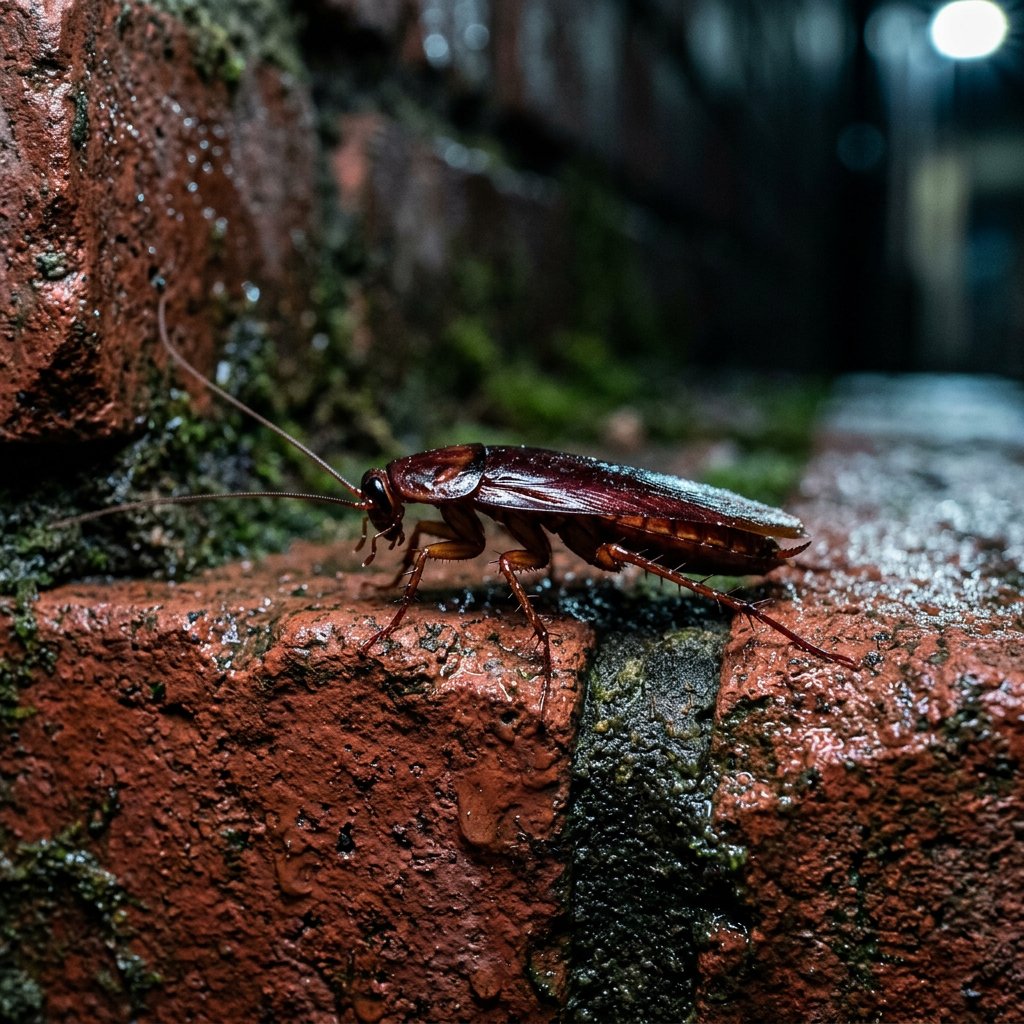
Often referred to as the "Water Bug" or the "Black Beetle" due to its dark, glossy exterior, the Oriental Cockroach is one of the most common midnight scavengers found around human dwellings. While its name suggests an Eastern origin, this hardy insect likely originated in the Caspian Sea region before hitchhiking across the globe. Unlike its faster, flying cousins, this roach is a grounded specialist that thrives in the shadows and damp corners of our world.
🔍 How to Identify
- 🪳 Color and Texture: They possess a distinctively dark, coal-black to deep mahogany brown body with a high-gloss, greasy sheen.
- 🪽 Vestigial Wings: They are flightless. The male has short wings covering about three-quarters of its abdomen, while the female has very small, inconspicuous wing pads just below her head.
- 📏 Sturdy Build: They have a broad, oval-shaped body that is noticeably wider and heavier-set than the slender German or American cockroaches.
🌲 Habitat & Ecology
- 💧 Moisture Seekers: These insects are true hydrophiles. You will almost always find them in cool, damp locations such as crawl spaces, basements, floor drains, and under leaky sinks.
- 🍂 The Outdoor Scavenger: Unlike other domestic roaches, they frequently live outdoors in leaf litter, mulch, and woodpiles, only venturing inside when searching for a reliable water source or during extreme weather shifts.
- 🍽️ Natural Recyclers: In the wild, they play a vital role in breaking down decaying organic matter and starchy debris, acting as part of nature’s primary "clean-up crew."
⚠️ Safety & Toxicity
- 🧼 Sanitation Risk: While they do not possess a stinger or a venomous bite, they are considered a significant pest because they can carry food-borne pathogens (like Salmonella) on their legs and bodies.
- 🤧 Allergy Trigger: Like many roaches, their shed skins and droppings contain proteins that can trigger asthma or allergic reactions, particularly in children and sensitive individuals.
- 🐾 Pet Safety: They are not toxic to pets if accidentally eaten, but because they frequent unsanitary areas, it is best to keep your furry friends away from them to prevent the spread of bacteria.
✨ Fun Fact
Despite its common name, Blatta orientalis cannot actually fly! Even though the males have wings, they are strictly ornamental. If you see a large, dark roach flying toward you, it is likely an American Cockroach or a Smokybrown Cockroach, not an Oriental one.
More Details








