Info
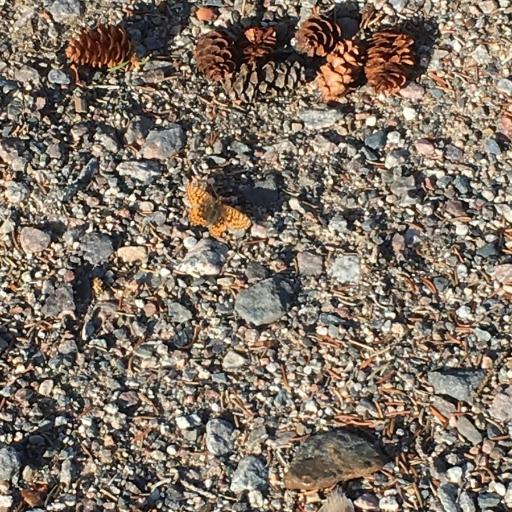
Often called the Freija Fritillary or the Zigzag Fritillary, this delicate butterfly is a hardy survivor of the cold north. Named after Freyja, the Norse goddess of beauty and fertility, it graces arctic tundras and peat bogs with its vibrant orange patterns. You will likely spot it fluttering low to the ground in early spring, often being one of the first insects to emerge while the morning frost still lingers.
🔍 How to Identify
- 🦋 Upper Wings: A bright tawny orange background decorated with a complex "grid" of black spots, bars, and a distinctive dark border along the edges.
- 📉 The Zigzag Pattern: The underside of the hindwing features a prominent, jagged white or silver "zigzag" line that looks like a row of small arrowheads pointing toward the body.
- ⚪ The Central Spot: A large, triangular white or silver spot is visible on the underside of the hindwing, which serves as a key field mark to distinguish it from its cousins.
🌲 Habitat & Ecology
- 🫐 Host Plants: The larvae are picky eaters, primarily feeding on the leaves of low-growing shrubs like Dwarf Birch, Bilberry, and Alpine Azalea.
- ❄️ Cold Specialist: This insect is a master of thermoregulation; it often basks with its wings open flat against rocks or dark soil to soak up every bit of warmth from the northern sun.
- 🌬️ Flight Style: Unlike many high-flying butterflies, the Freija Fritillary stays low to the ground to avoid harsh winds, moving in quick, erratic bursts across the tundra.
⚠️ Safety & Toxicity
- 🛡️ Status: Completely harmless and non-threatening to humans and pets.
- 🌼 Role: They are gentle pollinators. While they don't have a "scary" defense mechanism like a sting, their caterpillars use camouflage to hide from birds among the leaves of berry bushes.
✨ Fun Fact
The Freija Fritillary is a true "glacial relict." During the last Ice Age, it lived much further south, but as the glaciers retreated, it followed the ice north, leaving small, isolated populations on high mountain peaks in the Rockies and the Alps.
More Details








