Info
Known as the "Mountain Queen" of the bumblebee world, Bombus alpinus is a fuzzy survivalist built for the thin, freezing air of the high Alps and the Arctic tundra. This large, colorful insect is a rare sight, acting as a crucial pollinator for mountain wildflowers that few other insects can reach. Because of its extreme habitat requirements, it is often viewed as a "sentinel species"—a living indicator of the health of our planet’s cold-climate ecosystems.
🔍 How to Identify
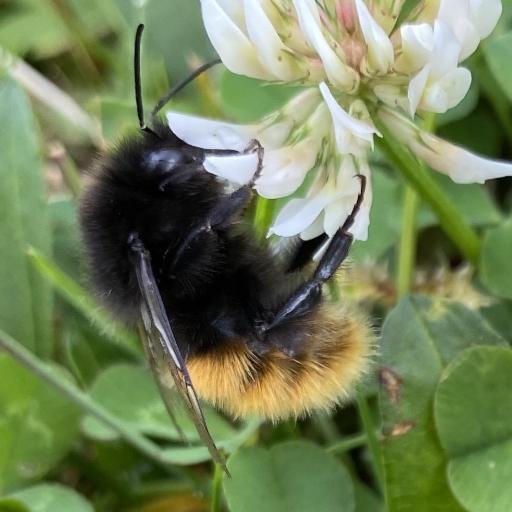
- 🐝 Vibrant Abdomen: Its lower half is draped in dense, rust-orange or fiery red hairs, which makes it stand out vividly against grey mountain stones and snow patches.
- 🖤 Velvety Thorax: The front section of the body (the thorax) is typically solid black, a color choice that helps the bee absorb as much heat as possible from the high-altitude sun.
- 🚁 Robust Build: It is noticeably larger and more "woolly" than common garden bumblebees. This extra fuzz acts like a heavy-duty thermal parka, trapping body heat during freezing nights.
🏔️ Habitat & Ecology
- ❄️ Cold Weather Athlete: While other bees are grounded by the cold, Bombus alpinus can vibrate its powerful flight muscles to generate internal heat, allowing it to fly even when temperatures hover near freezing.
- 🌸 Essential Pollinator: It is the primary "matchmaker" for specialized mountain plants like Saxifrage and Alpine Lousewort. Without this bee, many rare high-altitude flowers would fail to produce seeds.
- 🐭 Hidden Homes: These bees are opportunistic nesters, often taking over abandoned rodent burrows deep underground or tucked beneath thick mats of alpine moss to stay insulated from the wind.
⚠️ Safety & Toxicity
- 🛡️ Gentle Disposition: This species is famously docile. It has no interest in humans and will only sting as a last resort if it is squeezed or if its nest is directly disturbed.
- 🩹 Sting Reactions: For most people, a sting results in localized swelling and temporary pain. However, as with all bees, those with known venom allergies should exercise caution and keep their distance.
✨ Fun Fact
Bombus alpinus is essentially a tiny, living heater. They can raise their internal body temperature to nearly 30°C (86°F) higher than the surrounding air just by "shivering" their wing muscles, allowing them to forage for nectar while the ground around them is still covered in frost!
More Details








