Info
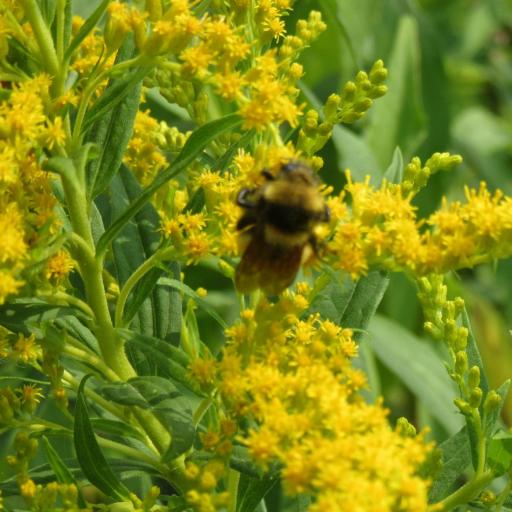
The Northern Amber Bumble Bee (Bombus borealis) is a golden-hued jewel of the northern wilderness. Often called the "Amber Bee" due to its remarkably consistent coat of tawny-yellow hair, this species is a vital pollinator in cooler climates. Unlike some of its more chaotic-looking cousins, this bee looks like it has been dipped in honey, making it a favorite for nature photographers and gardeners alike.
🔍 How to Identify
- 🐝 Golden Thorax: The upper body is covered in dense, pale yellow to amber hairs, usually featuring a distinct black band across the middle, right between the wing bases.
- 🍯 Amber Abdomen: The abdomen is almost entirely yellow or amber, lacking the orange or red patches found on similar species like the Tricolored Bumble Bee.
- 📏 Long Face: It possesses a noticeably "long" face (malar space) and an exceptionally long tongue, which it uses to reach deep into tubular flowers.
🌲 Habitat & Ecology
- 🌸 Specialist Pollinator: Because of its long tongue, this bee is a master at pollinating plants that other bees can't reach, such as Red Clover, Vetches, and Wild Raspberries.
- 🏔️ Northern Resident: As the name suggests, it thrives in boreal forests, wetlands, and open fields across Canada and the northern United States, rarely venturing into the hotter southern regions.
⚠️ Safety & Toxicity
- 🛡️ Peaceful Nature: Like most bumble bees, Bombus borealis is non-aggressive and will only sting if it feels its life or its colony is under direct threat.
- 🧤 Sting Sensitivity: While its venom is not specifically "toxic" to humans, a sting can be painful and may cause a reaction in those with bee allergies. Keep a respectful distance from active nests located in the ground or under log piles.
✨ Fun Fact
The Northern Amber Bumble Bee is a bit of a "late sleeper"—it is one of the last bumble bee species to emerge in the spring, often waiting until the weather is consistently warm before the queen begins her hunt for a nesting site.
More Details








