Info
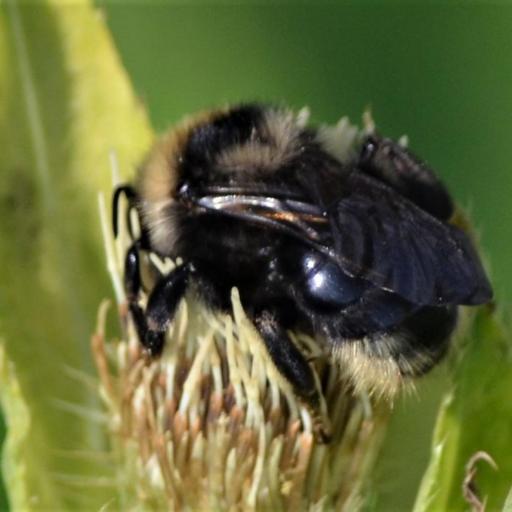
Known as the Field Cuckoo Bumblebee, this insect is the undercover agent of the meadow. Unlike the busy workers we usually see, this bee is a "brood parasite," meaning it doesn't build its own nest or collect pollen for its young. Instead, it plays a high-stakes game of hide-and-seek, sneaking into the homes of other bumblebees to take over their legacy.
🔍 How to Identify
- 🐝 The Dark Wings: One of the most telling signs is its wings, which appear noticeably darker or "smokier" than those of your average garden bumblebee.
- 🦵 The "Lazy" Legs: Because they don't collect pollen, they lack the shiny "pollen baskets" on their hind legs. Instead, their legs are hairy and rounded all the way around.
- 🟡 The Tail & Bands: They typically feature a yellow band near the front and another on the scutellum (the back of the thorax), with a dirty-yellow or off-white tip on their tail.
🌲 Habitat & Ecology
- 🏠 The Nest Takeover: The female Field Cuckoo waits for a Common Carder Bee nest to be established. She then sneaks in, subdues the original queen, and uses the existing worker bees to raise her own offspring.
- 🌸 Nectar Fuel: You’ll often find them lazily drifting over knapweed, thistles, and lavender. Since they don't have to provide for a colony, they spend their time drinking nectar to maintain their own energy for finding new "host" homes.
⚠️ Safety & Toxicity
- 🛡️ Status: Generally harmless to humans and non-aggressive.
- 🧤 The Sting: While they do possess a sting, they are much less likely to use it than a social bee defending a hive. They only sting if stepped on or handled roughly. Their exoskeleton is actually much thicker than other bees—acting like a suit of armor to protect them during their hostile takeovers!
✨ Fun Fact
Cuckoo bumblebees have evolved to smell like their hosts! By mimicking the specific chemical "scent" of the nest they are invading, the Field Cuckoo can often trick the resident workers into accepting her as their new queen without a single fight.
More Details








