Info
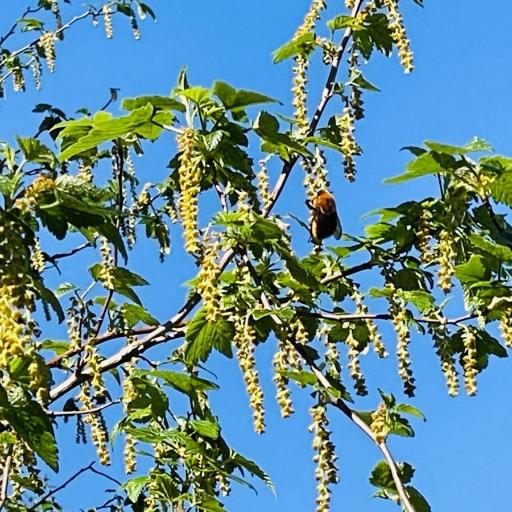
Meet the "Flying Mouse" (Moscardón), the undisputed giant of the bumblebee world. Native to the southern tip of South America, this fluffy orange marvel is steeped in Mapuche folklore, where it is often seen as a noble spirit of the forest. Its vibrant ginger coat and impressive size make it look more like a tiny flying mammal than a typical garden insect.
🔍 How to Identify
- 🧡 Vibrant Fur: Unlike most bumblebees with yellow and black stripes, this species is almost entirely covered in thick, bright orange or deep ginger hair.
- 📏 Massive Scale: It is the largest bumblebee in the world; queens can reach a staggering 4 centimeters (1.6 inches) in length, earning them their "mouse" nickname.
- 💨 Smoky Wings: Their wings are large and slightly darkened (infuscated), which creates a deep, low-frequency hum that you can often hear before you see them.
🌲 Habitat & Ecology
- 🏔️ Patagonian Resident: These bees are the primary pollinators of the temperate rainforests and moorlands of Chile and Argentina, perfectly adapted to the cool, windy climate.
- 🌸 Deep Flower Specialist: With their exceptionally long tongues, they are the only insects capable of pollinating certain native deep-tubed flowers, like the iconic Chilean Lantern Tree (Crinodendron hookerianum).
- 📉 A Rare Sight: Sadly, this "charismatic megafauna" of the insect world is now endangered. They are currently struggling to survive due to competition and diseases brought over by imported European bumblebees.
⚠️ Safety & Toxicity
- 🐝 Status: Non-aggressive and generally docile.
- ✋ Details: While they possess a stinger, they are not prone to using it unless they are squeezed or their underground nest is directly stepped on. Their sting is comparable to a common honeybee, though potentially more painful due to their size. They pose no threat to pets or children if left to forage in peace.
✨ Fun Fact
The Bombus dahlbomii is so large and heavy that when it lands on a flower, the entire branch often sags under its weight, forcing the bee to perform a "clambering" dance to reach the nectar!
More Details








