Info
Often mistaken for a prehistoric creature or a strange type of wingless wasp, the Wingless Soldier Fly (Boreoides subulatus) is one of Australia’s most misunderstood backyard residents. While the females look like something out of a sci-fi movie with their long, pointed "tails" and lack of wings, they are actually gentle garden helpers that play a vital role in breaking down organic matter.
🔍 How to Identify
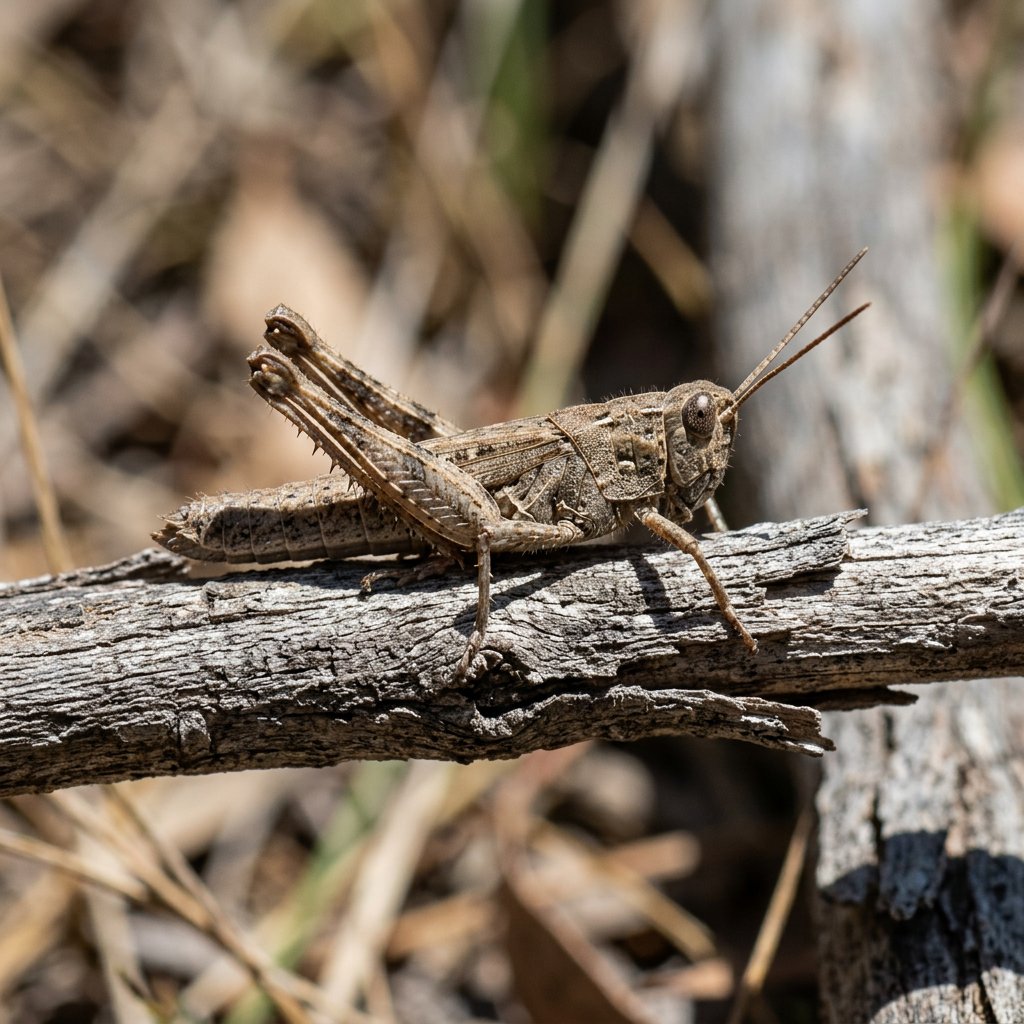
- 🪰 The Wingless Wonder: Females are completely flightless, featuring a robust, elongated body that looks more like a cricket or a beetle than a typical fly.
- 🗡️ The Pointed Tip: They possess a long, telescopic segment at the end of their abdomen. While it looks like a formidable stinger, it is actually an ovipositor used exclusively for laying eggs.
- 🌑 Dark Coloring: Their bodies are typically a matte charcoal or dark chocolate brown, allowing them to blend perfectly into damp soil and leaf litter.
🌲 Habitat & Ecology
- 🍂 Master of Mulch: You will most likely find these insects in damp garden beds, compost heaps, or under thick layers of mulch. They thrive in moist environments where their larvae can feast on decaying vegetation.
- 🍽️ The Fasting Adult: Remarkably, adult Wingless Soldier Flies do not have functional mouthparts. They live for only a short time on the energy reserves they stored as larvae, focusing entirely on finding a mate and laying eggs.
- 🏠 Australian Native: They are most commonly spotted in the southeastern parts of Australia, often emerging in large numbers during the cooler, wetter months of autumn and early winter.
⚠️ Safety & Toxicity
- 🟢 Harmless Resident: Despite their "scary" appearance and the long appendage at the rear, they are completely harmless to humans and pets. They cannot bite, and they do not possess a stinger.
- 🛡️ Defense Mechanism: When threatened, they may wave their abdomen or remain very still, but they have no chemical defenses or venom. They are "all bark and no bite."
- 🧤 Garden Interaction: If you find one in your home, you can safely pick it up with a piece of paper and move it back to the garden. They are beneficial to have around because their larvae help aerate and enrich your soil.
✨ Fun Fact
Because the females cannot fly, they have to "trek" across the ground to find the perfect spot to lay their eggs. To attract a mate, they release powerful pheromones that draw the winged males down from the trees for a brief garden encounter!
More Details








