Info
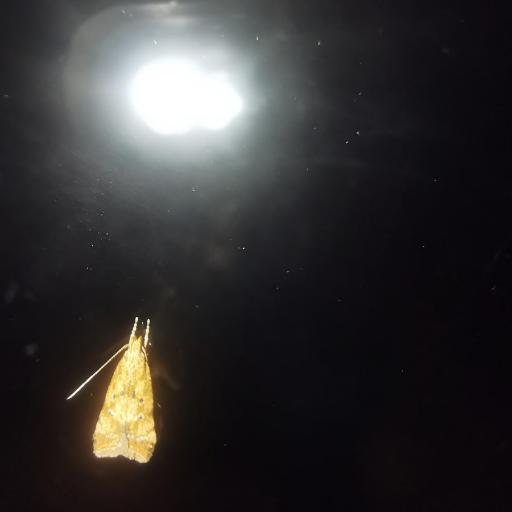
Often called the Gorse Groundling, this petite moth is a master of camouflage within the prickly thickets of the European countryside. While it might look like a simple scrap of dried leaf at first glance, its delicate patterns reveal a subtle beauty that has fascinated entomologists for centuries. It is a quiet neighbor, rarely noticed until it takes flight on warm summer nights near its favorite golden-flowered shrubs.
🔍 How to Identify
- 🦋 Forewings: Look for narrow, pale ochreous or grayish-beige wings that often appear slightly "dusted" with darker scales.
- ⚫ Discal Spots: The most identifying feature is a set of three distinct dark dots (stigmata) arranged on the upper wing surface.
- ✨ Fringed Edges: The trailing edges of the wings feature fine, hair-like fringes that give the moth a soft, blurred silhouette when at rest.
🌲 Habitat & Ecology
- 🌿 The Gorse Specialist: As its name suggests, this moth is deeply tied to Gorse (Ulex europaeus). You will almost always find it fluttering near these prickly yellow-flowered shrubs in heaths and coastal areas.
- 🕸️ Architect Larvae: The caterpillars are tiny engineers. They spin silken tubes or "tunnels" among the gorse shoots, living safely inside while they feed on the tough foliage.
- 🌙 Night Flyer: While the larvae are active during the day, the adults are nocturnal and are frequently drawn to artificial garden lights during July and August.
⚠️ Safety & Toxicity
- ✅ Harmless Friend: Brachmia blandella is entirely harmless to humans, children, and pets. It does not possess a stinger, mandibles for biting, or any irritating hairs.
- 🛡️ Ecological Role: In the garden, they are considered neutral. While the larvae eat gorse, they rarely cause enough damage to harm the plant's health, serving instead as a food source for local birds and bats.
✨ Fun Fact
Because Gorse is famously sharp and defensive, the Brachmia blandella larvae use their silk tunnels as a "highway" system, allowing them to glide over the plant's vicious thorns without ever getting pricked!
More Details








