Info
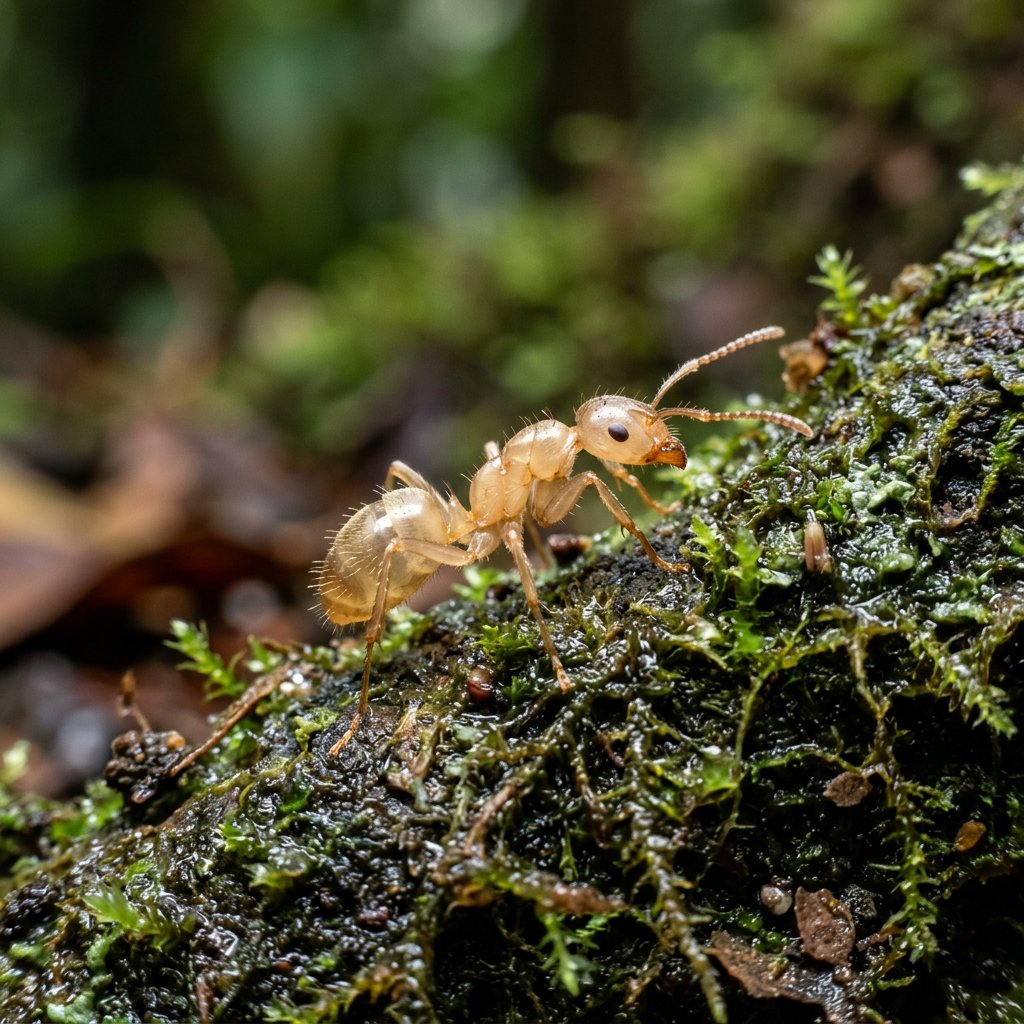
Known affectionately (or frustratingly) as "Rover Ants," these tiny scavengers are the frantic sprinters of the insect world. Often found scurrying erratically across garden stones or kitchen counters, they are some of the smallest ants you will ever encounter. While they are master recyclers in the backyard, their unquenchable thirst for sugar often turns them into uninvited houseguests.
🔍 How to Identify
- 🐜 Miniscule Size: They are incredibly small, usually measuring between 1 and 2 millimeters—roughly the size of a pinhead.
- 📡 Short Antennae: Unlike many common ants that have 12 segments, Rover Ants have only 9 segments, giving their "feelers" a slightly stubbier appearance under a magnifying glass.
- 🍑 Hidden Waist: They have a single-segmented "waist" (petiole) that is so low and flat it is often completely hidden by the overhanging front of their bulbous abdomen (gaster).
🌲 Habitat & Ecology
- 🍯 The Aphid Connection: These ants are "ranchers" of the garden. They have a symbiotic relationship with aphids and scale insects, protecting them from predators in exchange for "honeydew," a sugary secretion.
- 🍂 Nesting Habits: In the wild, they prefer damp environments like leaf litter, mulch, or the underside of rotting logs. In your home, they are often drawn to the moisture in bathrooms or the soil of overwatered potted plants.
- 🏃 Erratic Movement: They get their "Rover" name because they don't always follow the strict, straight-line trails typical of other ants; instead, they often zip around in quick, seemingly random patterns.
⚠️ Safety & Toxicity
- 🛡️ Harmless Status: Rover Ants are completely harmless to humans and pets. They do not have a functional stinger and their mandibles are far too small to pierce skin.
- 🏠 Nuisance Level: While they aren't dangerous, they are considered a "nuisance pest." Because they are so small, they can fit through the tiniest cracks in window seals to reach spilled soda or fruit on a counter.
✨ Fun Fact
Because Rover Ants are so tiny and lack defensive chemical sprays or stingers, they have evolved a "find it first" strategy. They are often the very first ants to locate a food source, eating as much as they can before larger, more aggressive ant species arrive to chase them away!
More Details








