Info
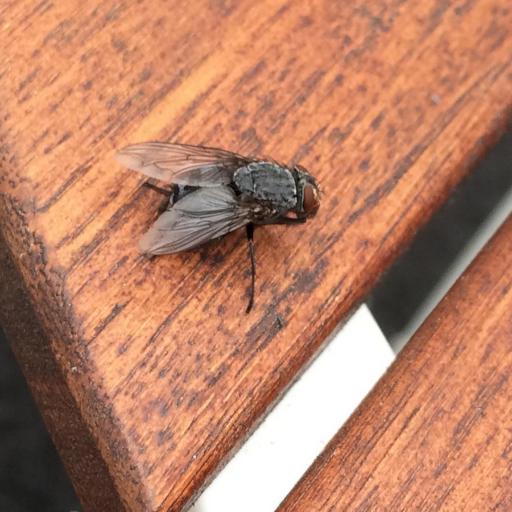
Often called the European Blue Bottle Fly, Calliphora vicina is nature’s metallic cleanup crew. With a body that glitters like a sapphire, it might look like a piece of flying jewelry, but it is most famous for its uncanny ability to find decaying matter within minutes. While they are often viewed as pests when they wander indoors, they play a vital role in recycling nutrients back into the earth.
🔍 How to Identify
- 🪰 The Body: Notable for its shimmering, metallic blue abdomen and a slightly duller, greyish thorax covered in stiff black bristles.
- 👀 The Eyes: Large, multifaceted compound eyes that are usually a deep reddish-brown, taking up a significant portion of the head.
- 🔊 The Sound: Produces a deep, distinctive "thrumming" or loud buzzing sound when flying, which is significantly noisier than the average housefly.
🌲 Habitat & Ecology
- ♻️ The Scavenger: These flies are primary decomposers. They are heavily attracted to protein-rich sources like carrion, pet waste, and rotting kitchen scraps, where they lay their eggs.
- 🌸 Unexpected Pollinator: While they are famous for their love of decay, adult Blue Bottles also feed on nectar and can help pollinate certain flowers, especially those with "funky" odors that mimic rotting matter.
⚠️ Safety & Toxicity
- 🛡️ Non-Aggressive: They do not have a stinger and their mouthparts are designed for sponging up liquids, not biting. They are entirely harmless to humans and pets in terms of direct physical injury.
- 🧼 Hygiene Risk: Because they frequent unsanitary environments, they can mechanically carry pathogens on their legs and bodies. It is important to keep them away from uncovered food and ensure kitchen surfaces are wiped down if one has been visiting.
✨ Fun Fact
🕵️ Nature's Detective: Calliphora vicina is a superstar in forensic science! Because they are among the first insects to arrive at a scene (often within minutes of a death), forensic entomologists use the development stage of their larvae to accurately calculate the "time since death" in legal investigations.
More Details








