Info
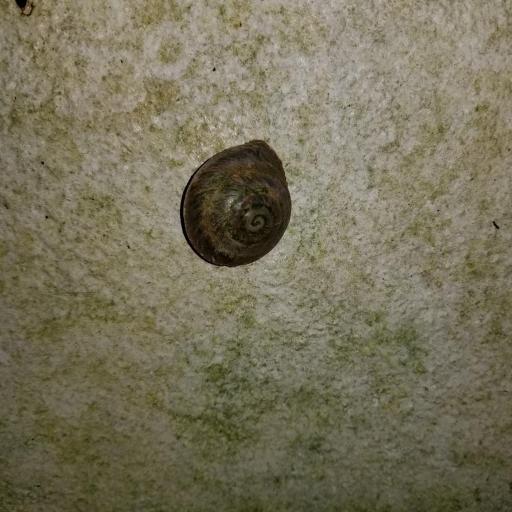
Often called the Banded Caracol or the Puerto Rican Land Snail, this creature is frequently mistaken for a beetle or insect due to its speed and glossy, armor-like shell. In reality, it is a terrestrial gastropod mollusk. Known for its striking, aerodynamic shape, it looks more like a polished river stone or a miniature UFO than a typical garden snail.
🔍 How to Identify
- 🐚 The Disc-Like Shell: Unlike the rounded "spiral" of common snails, this shell is remarkably flat and discoid, designed to tuck into tight crevices in tropical bark.
- 🎨 The "Margin" Detail: Its name marginella comes from the distinct, dark-colored band that runs along the outer edge (the margin) of its creamy or tan shell.
- 🐌 The Muscular Foot: The body is typically a pale grey or translucent white, and it moves with surprising agility compared to its slower cousins.
🌳 Habitat & Ecology
- 🌿 Tree Dwellers: While many snails stay low to the ground, the Banded Caracol is highly arboreal. You will often find them scaling the trunks of tropical trees or hiding on the undersides of large waxy leaves.
- 🍄 The Forest Cleaner: They play a vital role in the ecosystem by grazing on algae, lichens, and decaying organic matter found on tree bark, essentially acting as a "cleaning crew" for the forest.
- 🌦️ Humidity Lovers: They are most active during the "golden hours" of high humidity—early morning or after a tropical rain shower—when they emerge to forage.
⚠️ Safety & Toxicity
- 🟢 Non-Venomous: These snails do not bite, sting, or produce venom. They are physically harmless to touch.
- 🧼 Hygiene Warning: Like all wild snails and slugs, they can carry parasites (such as the rat lungworm). Always wash your hands thoroughly after handling them, and ensure children do not put them near their mouths.
- 🐶 Pet Safety: They are not toxic to pets if touched, but dogs or cats should be discouraged from eating them to avoid the risk of parasitic infection.
✨ Fun Fact
The Banded Caracol is a "hermaphrodite," meaning every individual has both male and female reproductive organs. However, they still prefer to find a partner to trade genetic material, often engaging in a slow, rhythmic "circling dance" before mating.
More Details








