Info
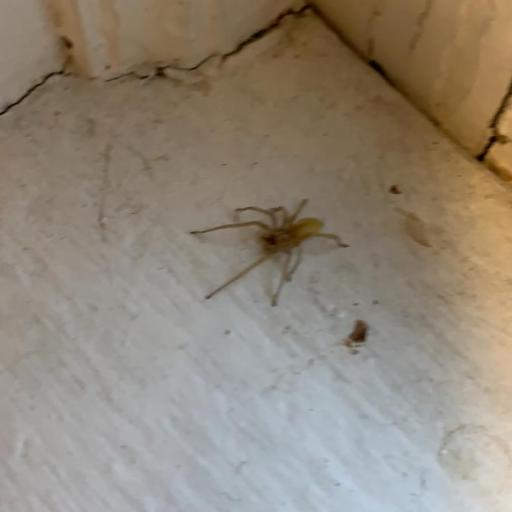
Often called the Yellow Sac Spider, this pale wanderer is a frequent uninvited guest in homes across the globe. Originally from Europe, it has become a cosmopolitan traveler, famous for its incredible speed and its habit of hiding in silky "sleeping bags" tucked into the corners of your ceiling. While they might startle you when they dart across a wall, they are efficient pest controllers that hunt without the use of a traditional web.
🔍 How to Identify
- 🟡 Coloration: A distinctive pale yellow to light, almost translucent green. They lack the ornate patterns found on many other spiders.
- 🖤 Dark Mouthparts: Its "chelicerae" (jaws) are notably darker than its body, often appearing brown or black at the tips.
- 🏃 Leg Length: Their front pair of legs is significantly longer than the others, used for feeling their way as they run.
🌲 Habitat & Ecology
- 🏠 Indoor Living: This species thrives in climate-controlled environments. You will often find them high up on walls or tucked into the junction where the ceiling meets the wall.
- 🕸️ The "Sac" Tactic: They don't spin classic circular webs to catch food. Instead, they weave small, dense silk tubes (sacs) in protected corners to rest in during the day.
- 🐜 Nocturnal Hunter: They are "cursorial" hunters, meaning they actively stalk and pounce on prey like fruit flies, gnats, and even other spiders during the night.
⚠️ Safety & Toxicity
- 🫦 Biting Potential: They are one of the few common house spiders capable of piercing human skin. They aren't aggressive, but they will bite if accidentally squeezed or trapped in clothing.
- 🧪 Reaction: The bite is often compared to a bee sting—sharp and localized. While historically rumored to cause necrotic sores like a Brown Recluse, modern science has shown their venom usually only causes temporary redness, swelling, and itchiness.
- 👶 Precaution: Keep children and pets away from visible sacs; while not deadly, the bite is uncomfortable and can cause minor skin irritation.
✨ Fun Fact
- ⛽ The Gasoline Spider: These spiders are strangely attracted to the smell of hydrocarbons. They gained international fame for causing car recalls (notably for Mazda and Toyota) because they were prone to building silk nests inside fuel tank vent lines, which could cause pressure build-up in the engine!
More Details








