Info
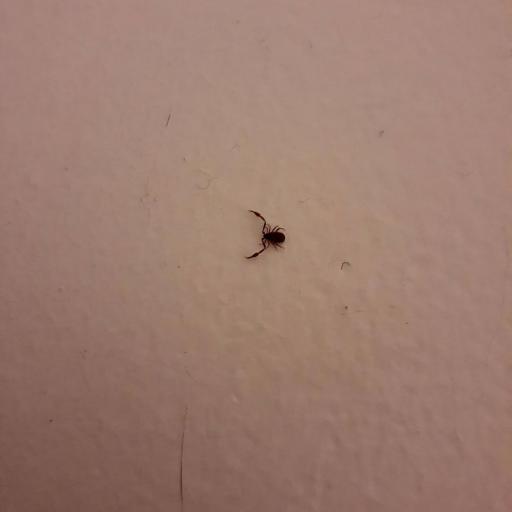
Often known as the Book Scorpion, this tiny marvel is not a scorpion at all, but a "pseudoscorpion." Despite its intimidating appearance, it is a miniature hero in our homes, silently guarding old libraries and damp corners from actual pests. In natural history lore, they are the "silent librarians," protecting precious pages from the tiny insects that would otherwise eat the glue and paper.
🔍 How to Identify
- 🦂 The Pincers: Large, powerful-looking claws (pedipalps) that resemble a true scorpion’s, used for catching microscopic prey.
- 🚫 The Missing Tail: Unlike real scorpions, their body ends in a rounded abdomen with absolutely no stinging tail or bulb.
- 📏 Miniature Scale: They are incredibly small, usually measuring only 2 to 4 millimeters—roughly the size of a lowercase "o" in a printed book.
🌲 Habitat & Behavior
- 📚 The Household Guardian: Commonly found indoors in dusty environments, old books, or behind baseboards. They are beneficial predators that hunt booklice, mites, and carpet beetle larvae.
- ✈️ Frequent Flyers: Because they are so small and have no wings, they practice "phoresy." They will grab onto the leg of a housefly or beetle with their pincers and hitchhike a ride to a new location.
⚠️ Safety & Toxicity
- 🤝 Harmless Friend: They are entirely harmless to humans and pets. Their tiny pincers are far too weak to pierce human skin, and they do not have a stinger.
- 🐶 Pet Neutral: They pose no threat to cats or dogs. If your pet encounters one, the pseudoscorpion is more likely to play dead or scuttle away than offer any resistance.
✨ Fun Fact
These tiny hunters have silk glands located in their jaws (chelicerae). They use the silk to spin "cocoon-like" nests where they hide to molt, hibernate, or protect their eggs from the outside world.
More Details








