Info
Known commonly as the Blackberry Looper, this tiny moth is a delicate jewel of the North American meadows. Often mistaken for a stray leaf, it flits among flowers like a fragment of summer greenery. While the adult is a beautiful emerald green, its caterpillar is the true master of disguise, known for its ingenious "costume" made of stolen flower petals.
🔍 How to Identify
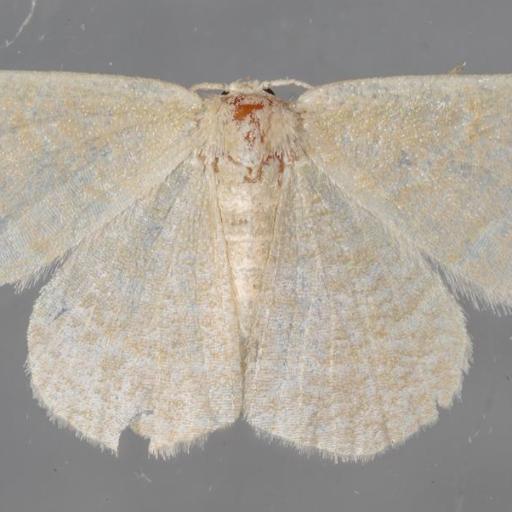
- 🦋 Emerald Wings: The adult features a soft, minty-green hue across both forewings and hindwings.
- 📏 Subtle Striations: Look for thin, wavy white or cream-colored lines (cross-lines) that run horizontally across the wings.
- 🌿 Flattened Stance: When resting, this moth spreads its wings flat against a leaf or surface, adopting a triangular shape that mimics the surrounding foliage.
🌲 Habitat & Ecology
- 🌼 Floral Buffet: You will most likely find this moth near its namesake—Blackberries—as well as Daisies, Sunflowers, and Rudbeckia. The adults are active pollinators that help keep your garden thriving.
- 🎭 The Master Decorator: The larvae are "loopers" (inchworms). To avoid being eaten by birds, the caterpillar bites off tiny pieces of the flower it is currently eating and glues them to its back with silk, creating a perfectly camouflaged suit of flower debris.
⚠️ Safety & Toxicity
- ✅ Harmless Friend: The Blackberry Looper is completely safe for humans and pets. It does not possess a stinger, nor does it produce any irritating hairs or toxins.
- 🌱 Garden Impact: While the caterpillars do eat flower heads, they are rarely numerous enough to cause significant damage to your landscape. They are generally considered a sign of a healthy, biodiverse ecosystem rather than a pest.
✨ Fun Fact
The vibrant green color of this moth is surprisingly fragile. Known to scientists as "fugacious" coloring, the green pigment often fades into a dull cream or yellowish-tan shortly after the moth dies or is exposed to heavy moisture.
More Details








