Info
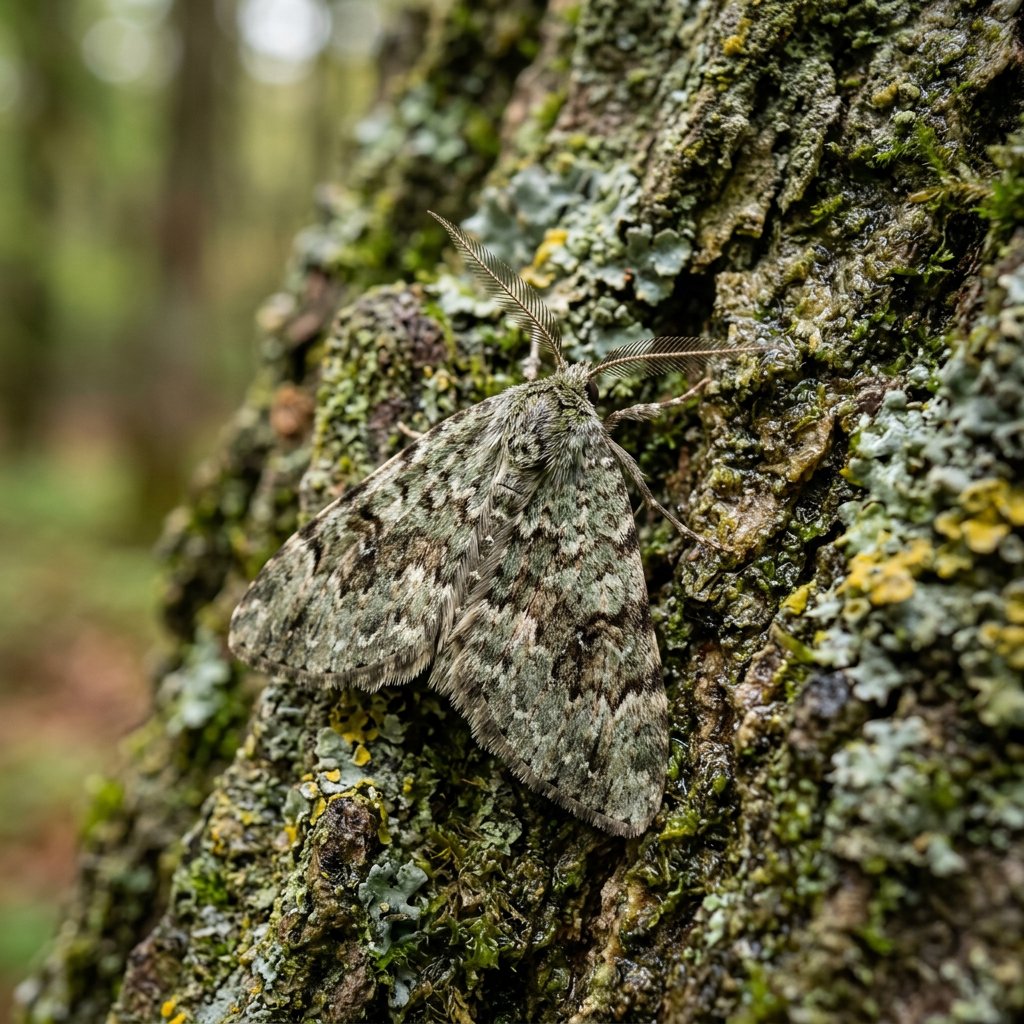
Known as the V-Pug, this delicate little moth is a frequent and welcome visitor to gardens across Europe and Asia. While many moths are dismissed as "brown and boring," the V-Pug stands out with its subtle, minty-green hue and a very specific geometric mark that gives it its name. It is a harmless "friend" of the gardener, playing its small but vital role in the nocturnal ecosystem.
🔍 How to Identify
- 🦋 The Signature "V": Its most defining feature is a sharp, dark, V-shaped mark located on the outer edge of the forewing, which is visible even when the moth is at rest.
- 🎨 Chameleon Tints: Freshly emerged adults have a beautiful, soft lime-green wash over their wings, though this color often fades to a sandy brown or grey as the moth ages.
- 📐 Triangular Silhouette: When resting, it spreads its wings flat against a surface, creating a distinct triangular or "pug-like" shape that is typical of its genus.
🌲 Habitat & Ecology
- 🌸 Flower Power: Unlike many caterpillars that focus on leaves, the V-Pug larva prefers a diet of flowers. You will often find them tucked inside the blossoms of Clematis, Elder, Bramble, and even Hemp-agrimony.
- 🏡 Garden Dweller: This species is highly adaptable and loves suburban gardens, hedgerows, and woodland clearings. It is frequently attracted to outdoor lights during the mid-summer months.
⚠️ Safety & Toxicity
- ✅ Completely Harmless: The V-Pug does not sting, bite, or carry any known toxins. It is a "gentle" insect that poses no threat to humans.
- 🐾 Pet Safe: These moths do not have irritating hairs (unlike some other caterpillars), making them safe for curious pets who might try to chase them.
✨ Fun Fact
The V-Pug is a master of "disruptive coloration." That dark "V" mark on its wing isn't just for decoration—it’s designed to break up the moth's physical outline, making it look like a dead leaf or a crack in tree bark to any hungry birds passing by!
More Details








