Info
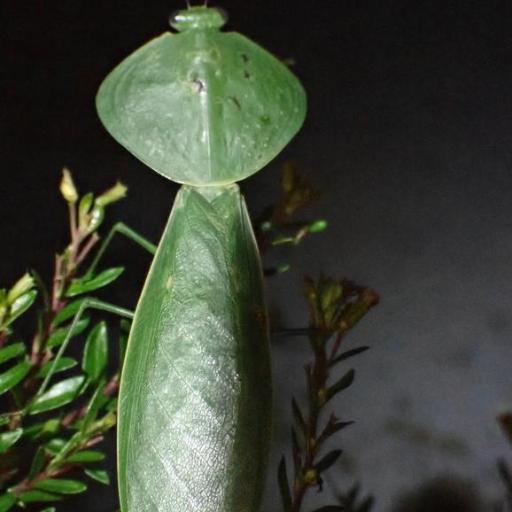
Often called the Hooded Mantis or Shield Mantis, this incredible insect is one of nature’s most sophisticated illusionists. Native to the lush rainforests of Central and South America, it has evolved to look less like a bug and more like a stray leaf caught in the breeze. While its wide "hood" might look intimidating, it is actually a masterclass in defensive camouflage designed to hide it from hungry birds.
🔍 How to Identify
- 🛡️ The Shield: The most striking feature is its greatly expanded, leaf-like thorax (pronotum) that flared out to create a wide, rounded "hood" over its head and shoulders.
- 🍃 Leaf Mimicry: Its wings are a vivid green and feature intricate, vein-like patterns that perfectly mimic the texture and appearance of a living leaf.
- ⚔️ Raptorial Forelegs: Like all mantises, it possesses powerful front legs lined with small spines, held in a "praying" position while it waits for prey to wander too close.
🌲 Habitat & Ecology
- 🍂 The Ambush Master: Unlike more active hunters, the Hooded Mantis is a sit-and-wait predator. It remains motionless for hours among green foliage, becoming virtually invisible to both its prey and its enemies.
- 🦗 Dietary Role: It serves as an essential pest controller in its ecosystem, feeding on moths, flies, and other small invertebrates that are fooled by its leafy disguise.
- 🌳 Canopy Dweller: You are most likely to find them in the humid understory or high in the trees of tropical forests, where the light filtering through the leaves helps them blend in.
⚠️ Safety & Toxicity
- 🟢 Harmless Friend: The Hooded Mantis is entirely non-toxic and lacks any form of stinger or venom. It is a "friend" to gardeners and nature lovers.
- 🤏 Mechanical Pinch: While not dangerous, if handled roughly, a large adult can deliver a tiny "nip" with its mandibles or a prickly pinch with its spiked forelegs. It’s best to observe these masters of disguise without touching.
✨ Fun Fact
The Hooded Mantis is one of the few insects capable of turning its head a full 180 degrees to look directly over its "shield," allowing it to spot movement in any direction without moving its body and breaking its camouflage!
More Details








