Info
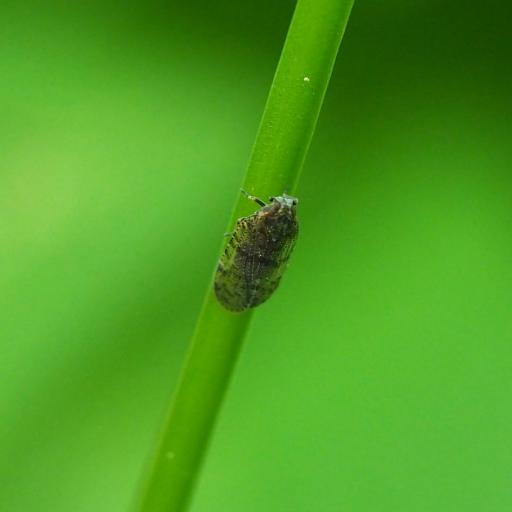
Often called "Cixiid Planthoppers," these tiny masters of disguise look like miniature, glass-winged cicadas. They are famous for their Olympic-level jumping abilities and their strange "double-life"—spending their youth hidden underground before emerging to decorate your garden leaves as adults. While they might look like "scary" flies to the uninitiated, they are actually gentle sap-feeders that play a unique role in the ecosystem.
🔍 How to Identify
- 🪟 Glassy Wings: Their wings are mostly transparent but feature distinct dark spots or "vein" patterns that look like delicate, stained-glass lace.
- 📐 Wedge Shape: When resting, they hold their wings in a steep, roof-like position over their bodies, giving them a sleek, aerodynamic silhouette.
- 👀 Broad Head: They have wide-set eyes and distinct ridges (carinae) on their forehead, which helps distinguish them from common leafhoppers.
🌲 Habitat & Ecology
- 🌳 The Underground Youth: Unlike many garden bugs, Cixius nymphs live entirely in the soil. They feed on the sap of plant roots while hiding inside protective "nests" of white, fluffy wax.
- 🍃 Generalist Feeders: Once they mature and grow wings, they move to the "penthouse"—the leaves and stems of trees, shrubs, and ferns. They aren't picky eaters and can be found on everything from oaks to backyard brambles.
⚠️ Safety & Toxicity
- ✅ Harmless to Humans: Cixius insects are completely safe for humans. They do not bite, sting, or carry any venom; their only defense is a lightning-fast jump to get away from you.
- 🐾 Pet Friendly: They are non-toxic to cats and dogs. If your pet happens to snack on one, there is no cause for alarm.
- 🌱 Plant Health: While they drink plant sap, they rarely cause visible damage. However, some species are known to occasionally transmit "phytoplasmas" (plant diseases) that can cause leaves to turn yellow.
✨ Fun Fact
Cixius planthoppers don't "sing" through the air like their cicada cousins. Instead, they send "private messages" by vibrating the stems of plants. These vibrations travel through the wood and leaves, acting as a secret love song that is completely silent to human ears but loud and clear to other hoppers!
More Details








