Info
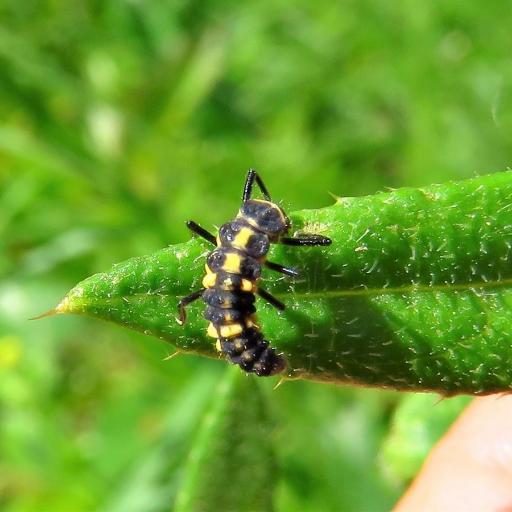
The Spotted Pink Ladybeetle is the garden’s unsung hero and a favorite among organic farmers. Unlike its rounder, redder cousins, this beetle sports a distinctive elongated shape and a beautiful palette of salmon, pink, or bright red. It is often called the "Twelve-Spotted Lady Beetle" and is one of the most beneficial insects you can welcome into your backyard.
🔍 How to Identify
- 🐞 Elongated Body: While many ladybugs are nearly circular, this species is noticeably oval and cigar-shaped.
- 🎨 Salmon Coloration: Its wing covers (elytra) range from a soft pink to a deep reddish-orange, standing out against green leaves.
- ⚫ The Twelve Spots: Look for exactly six black spots on each wing cover. Unlike other species with variable patterns, this beetle’s "12-spot" look is very consistent.
🌲 Habitat & Ecology
- 🍽️ The Pollen Eater: This beetle is a "generalist predator," meaning it eats aphids and mites, but it is unique because up to 50% of its diet is plant pollen. This allows it to survive in your garden even when there are no pests to eat.
- 🌾 Agricultural Ally: They are frequently found in cornfields, orchards, and vegetable patches. They are particularly attracted to crops that produce heavy pollen, like corn, dandelion, and Queen Anne's Lace.
- 🛡️ Winter Huddles: During the fall, they gather in large groups under leaf litter or stones to hibernate together, sharing body heat to survive the frost.
⚠️ Safety & Toxicity
- ✅ Harmless Friend: These beetles are completely safe for humans and pets. They do not sting, and while they have tiny mandibles, they almost never bite humans.
- 🟡 Reflex Bleeding: Like most lady beetles, if they feel threatened, they may "reflex bleed"—secreting a tiny drop of yellow, foul-smelling fluid from their joints. It’s not toxic to you, but it tells predators (and your fingers) that they taste terrible!
✨ Fun Fact
Unlike many other ladybugs that fly away once they’ve cleared out an aphid colony, the Spotted Pink Ladybeetle is a "loyal" resident. Because it can switch its diet to pollen, it will often stay in the same garden for its entire life cycle!
More Details








