Info
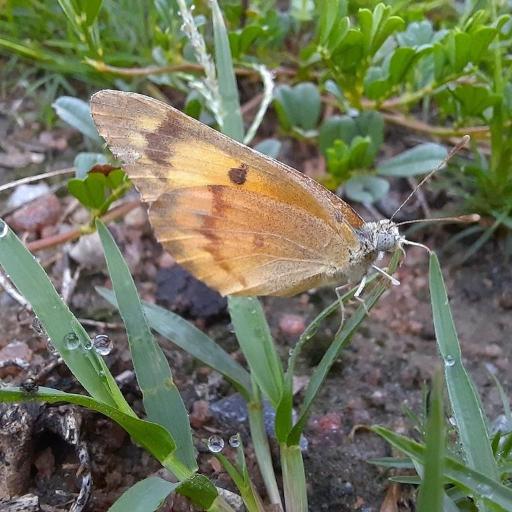
The Small Salmon Arab is like a tiny, flying sunset dancing across the arid landscapes of Africa and Southern Asia. Often found fluttering through dry scrublands and sun-drenched plains, this butterfly is a hardy survivor that thrives where many other delicate insects might wither. Its name comes from the warm, glowing salmon-pink hue of its wings, which makes it a favorite sight for nature photographers.
🔍 How to Identify
- 🦋 Upper Wings: A soft, vibrant salmon-pink or orange-yellow base color that glows in the sunlight.
- 🖤 Dark Borders: The wing edges feature broad, brownish-black borders, often decorated with a row of small, pale spots that look like tiny "windows."
- 🍃 Underside Camouflage: When resting with its wings closed, the underside is a pale, greenish-yellow, allowing it to blend perfectly with sun-bleached leaves and dry grass.
🌵 Habitat & Ecology
- 🏜️ Dry Land Specialist: Unlike many butterflies that crave lush rainforests, the Small Salmon Arab prefers semi-deserts, savannahs, and rocky hillsides.
- 🦷 The Toothbrush Tree: This insect has a fascinating relationship with the Salvadora persica (the Toothbrush Tree). Its caterpillars feed almost exclusively on this plant, making the butterfly a common sight wherever these trees grow.
- 💨 Low-Level Flight: They are active fliers but rarely venture high into the canopy, preferring to zigzag rapidly just a few feet above the ground.
⚠️ Safety & Toxicity
- 🛡️ Completely Harmless: The Small Salmon Arab is a gentle pollinator. It possesses no stinger, does not bite, and is not known to be poisonous.
- 🐾 Safe for Pets: If your dog or cat decides to chase one through the garden, there is no need for concern; they carry no defensive toxins that would harm a curious pet.
✨ Fun Fact
The Colotis genus is collectively known as "The Arabs." This name was given by early lepidopterists because many species in this group are found in the arid regions of North Africa and the Middle East, often surviving in environments that are too harsh for most other butterfly families!
More Details








