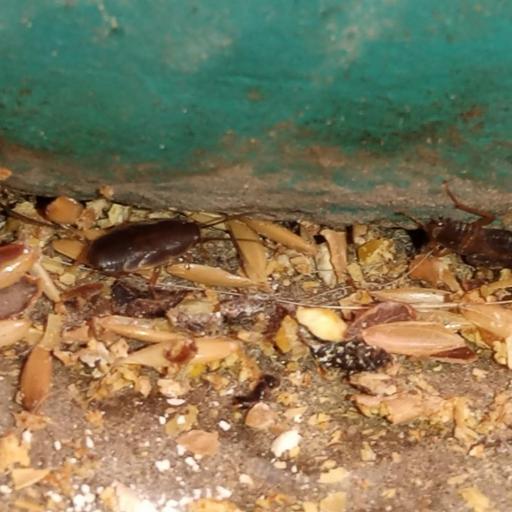
Info
While the name might sound like a botanical genus, Corydiidae actually refers to a fascinating family of insects known as Sand Cockroaches. Far from the pests found in kitchens, these desert specialists are often beautifully patterned and lead quiet, solitary lives hidden beneath the earth. They are the rugged survivors of the insect world, perfectly adapted to the harshest arid climates on Earth.
🔍 How to Identify
- 🪲 Body Shape: There is a major difference between the sexes; males are typically oval and winged, while females are often wingless, looking like heavy-set, armored "dominoes" or round pebbles.
- 🎨 Distinct Patterns: Many species, such as the Therea petiveriana, feature bold white spots on a matte black body, a striking look that mimics aggressive ground beetles to scare off predators.
- 🦵 Fringed Legs: Their legs are lined with stiff, hair-like bristles that act like oars, allowing them to "swim" effortlessly through loose sand and fine soil.
🌲 Habitat & Ecology
- 🏜️ Arid Specialists: You won’t find these insects in your pantry. They thrive in deserts, scrublands, and dry forests, often burying themselves several inches deep to escape the midday heat.
- 🍂 Nature's Recyclers: As detritivores, they spend their time munching on fallen leaves, dry seeds, and decaying wood. They play a vital role in turning tough organic matter back into nutrient-rich soil.
⚠️ Safety & Toxicity
- 🛡️ Completely Harmless: Corydiidae are "friends" to humans. They do not bite, sting, or produce any toxic secretions, and they lack the "germ-carrying" reputation of their urban cousins.
- 🐾 Safe for Pets: These insects are non-toxic to cats and dogs. In fact, because of their cleanliness and striking looks, some species are popular in the exotic pet hobby as "ornamental" roaches.
✨ Fun Fact
- 💧 Atmospheric Drinking: Some species in the Corydiidae family have the incredible ability to absorb water vapor directly from the air using specialized structures in their mouths, allowing them to stay hydrated in deserts where it may not rain for years!
More Details








