Info
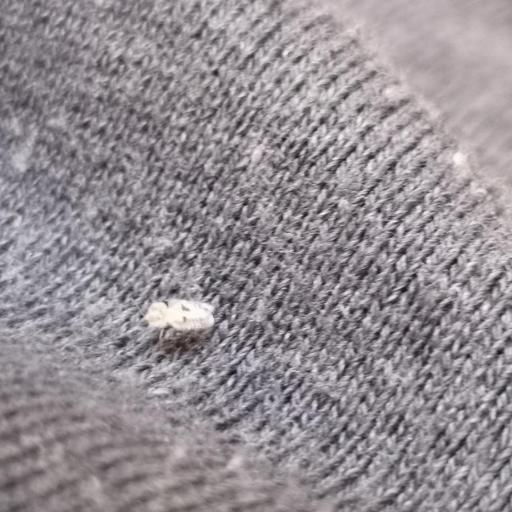
Known as the Sycamore Lace Bug, this tiny insect looks like a delicate piece of Victorian lace that somehow came to life. While they are a marvel of natural engineering with their ornate, translucent wings, they are often seen as a "frowning foe" by arborists. These miniature architects spend their entire lives on the underside of grand Sycamore leaves, creating intricate colonies that can turn a lush green canopy into a dusty, silver-flecked landscape.
🔍 How to Identify
- 🕸️ Lacy Wings: Their most striking feature—they possess completely transparent, intricately patterned wings that resemble a fine mesh or lace doily folded over their backs.
- ⚪ Coloration: They are a ghostly, creamy white or pale tan. Despite their delicate look, their bodies are incredibly flat, allowing them to hide in the smallest crevices.
- 🧥 Pronotal Hood: If you look through a magnifying glass, you’ll see a bulbous, hood-like structure covering their head, giving them a distinct "hunched" silhouette.
🌲 Habitat & Ecology
- 🌳 Host Specificity: These bugs are loyal to their namesakes. You will almost exclusively find them on Sycamore (Platanus occidentalis) and London Plane trees. They live, eat, and breed on the undersides of the leaves.
- 🍂 Overwintering Habits: They are surprisingly hardy. Adults spend the winter tucked safely into the deep, flaky fissures of the Sycamore’s mottled bark, waiting for the first buds of spring to emerge.
- 🍃 Feeding Style: They are "sap-suckers." Using straw-like mouthparts, they drain the chlorophyll from leaf cells. This creates "stippling"—tiny white or yellow spots on the top of the leaf—which can eventually cause the foliage to look scorched or bronzed.
⚠️ Safety & Toxicity
- ✅ Status: Completely harmless to humans, pets, and the structural integrity of the tree. They are a cosmetic nuisance rather than a deadly threat.
- 🤏 Incidental Nips: On rare occasions, if a lace bug falls from a tree onto a person, it might give a tiny "test nip" with its mouthparts. It isn't a bite in the traditional sense and carries no venom; it feels like a faint pinprick and rarely leaves a mark.
✨ Fun Fact
Because they live on the undersides of leaves, Sycamore Lace Bugs are often protected from rain and sun, but they have a unique way of "decorating" their home—they leave behind tiny, varnish-like black spots of excrement that help experts identify their presence even if the bugs themselves are hiding!
More Details








