Info
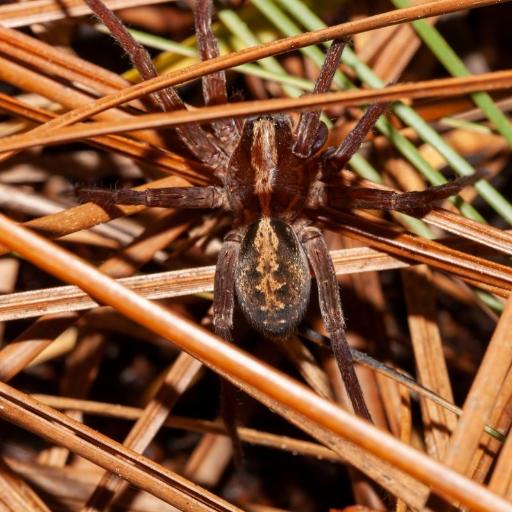
Often called the "Tropical Wandering Spiders," members of the Ctenus genus are the silent, nomadic hunters of the forest floor. Unlike common house spiders that wait patiently in webs, these spiders are active "pursuit predators" that rely on speed and agility to track down their prey. While their large size and hairy appearance can be intimidating, they play a vital role in maintaining the balance of their tropical ecosystems.
🔍 How to Identify
- 👀 Distinctive Eyes: They possess a unique "2-4-2" eye arrangement typical of the Ctenidae family, with two small eyes at the bottom, four larger ones in the middle, and two at the top.
- 🕷️ Robust Build: They are medium to large spiders with powerful, hairy legs and a camouflaged body, usually appearing in shades of earthy brown, tan, or grey.
- 🏃 No Webbed Home: You won't find these spiders in a traditional web; they are almost always spotted scuttling across the ground or low-hanging leaves at night.
🌲 Habitat & Ecology
- 🍂 Leaf Litter Specialists: These spiders are master hiders, spending their days tucked under fallen leaves, logs, or stones to stay cool and hidden from birds.
- 🦗 The Night Shift: As nocturnal predators, they emerge at dusk to hunt. Their diet consists mostly of ground-dwelling insects like crickets and cockroaches, but larger species may occasionally tackle small vertebrates.
- 🗺️ Tropical Roots: While most common in the rainforests of South America, Africa, and Asia, they are occasionally found in suburban gardens within tropical and subtropical climates.
⚠️ Safety & Toxicity
- 🚫 Painful Bite: While species in the Ctenus genus are venomous, they are generally not considered life-threatening to humans, unlike their more famous cousins, the Brazilian Wandering Spiders (Phoneutria).
- 🧤 Defensive Nature: They are not aggressive but will bite if squeezed or cornered. A bite usually results in localized pain, swelling, and redness—similar to a bee sting.
- 🐕 Pet Safety: Keep curious cats and dogs away; while not usually lethal, the venom can cause significant distress or allergic reactions in smaller animals.
✨ Fun Fact
The name Ctenus comes from the Greek word "ktenos," meaning "comb," referring to the tiny, comb-like structures on their legs that help them navigate through dense forest debris with incredible precision!
More Details








