Info
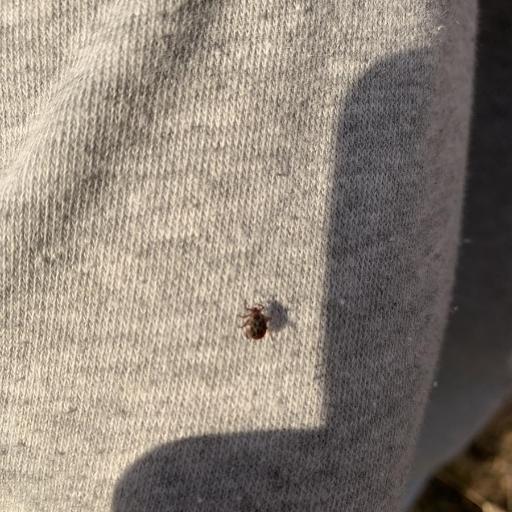
Known as the Ornate Cow Tick or the Marsh Tick, this strikingly patterned arachnid is a master of the "wait and watch" strategy. While its marble-like back might look like a piece of jewelry, it is a formidable survivor found across Europe and Western Asia. It is particularly famous for its resilience, often staying active in temperatures that send other ticks into hiding.
🔍 How to Identify
- 🎨 The Patterned Shield: Unlike the plain brown deer tick, the "scutum" (the hard plate on its back) features beautiful, silvery-white or creamy marbling against a dark brown background.
- 🕷️ Eight Sturdy Legs: As an arachnid, adults have eight reddish-brown legs designed for gripping onto blades of grass or fur.
- 📏 Body Shape: Before feeding, they are flat and teardrop-shaped; after a meal, they expand significantly into a gray, bean-like shape.
🌲 Habitat & Ecology
- 🌾 Meadow Master: This tick shuns the deep, dry forest, preferring damp meadows, floodplains, and areas with tall, overgrown grass.
- 🐾 The Questing Method: It doesn't jump or fly. Instead, it climbs to the tip of a grass stalk and waves its front legs (a behavior called "questing") to snag a ride on a passing dog, deer, or human.
- ❄️ Cold Weather Warrior: One of its most unique traits is its cold tolerance; it can remain active during mild winters, even when there is light snow on the ground.
⚠️ Safety & Toxicity
- 🚫 Health Risk: High. While not "poisonous" in the traditional sense, it is a significant vector for diseases. It is the primary spreader of Babesiosis in dogs and can transmit Tick-borne Encephalitis or Spotted Fever to humans.
- 🐕 Pet Safety: This tick is a major threat to dogs. If you find one, use fine-tipped tweezers to grasp it as close to the skin as possible and pull upward with steady pressure. Do not use alcohol or "burn" it off, as this can cause the tick to regurgitate fluids into the host.
✨ Fun Fact
The Ornate Cow Tick has a built-in "GPS" for humidity. It has specialized organs on its front legs that detect moisture levels, helping it navigate back down to the damp soil if the tips of the grass get too dry and sunny!
More Details








