Info
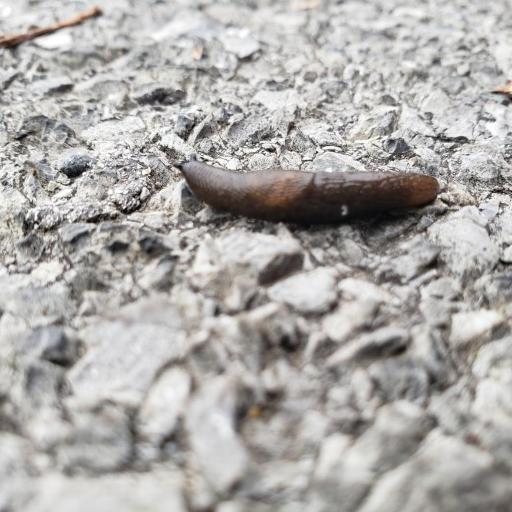
Often called the Marsh Slug or Meadow Slug, this tiny traveler is one of the most widely distributed land mollusks in the world. Unlike its slower, bulkier cousins, Deroceras laeve is known for its surprising speed and its unique ability to thrive in water-logged environments that would drown other species. While it might look like a simple garden resident, it is a master of survival in the dampest corners of the globe.
🔍 How to Identify
- 🐚 The Body: Slim and watery in appearance, usually ranging from chocolate brown to deep charcoal black. Its skin is somewhat translucent, often appearing glossy or "wet."
- 🧥 The Mantle: Look for a slightly raised "cape" (the mantle) covering the front third of its body. It features fine, concentric ridges that look like a fingerprint when viewed closely.
- 💧 The Slime: It produces clear, thin mucus. Unlike some larger slugs that produce thick, milky slime when poked, this slug’s trail is almost invisible.
🌲 Habitat & Ecology
- 🛶 Aquatic Ambitions: This slug is a semi-aquatic champion. It is frequently found in marshes, riverbanks, and greenhouses. It can even survive being submerged underwater for several hours, a feat that would be fatal to most other garden slugs.
- 🏃 Active Behavior: It is often described as a "high-energy" slug. When disturbed, it doesn't just retreat into a ball; it actively crawls away with surprising agility to find a dark crevice.
- 🥗 The Scavenger: It plays a dual role in the ecosystem. While it helps break down decaying organic matter, it is often a "foe" to gardeners because it has a notorious appetite for tender young seedlings and low-hanging soft fruits like strawberries.
⚠️ Safety & Toxicity
- ✅ Physical Safety: This slug is completely harmless to humans in terms of biting or stinging. It has no venom and no way to puncture skin.
- 🦠 Parasite Risk: Like many gastropods, it can act as an intermediate host for various parasites, including the Rat Lungworm. Never ingest a slug, and ensure you wash your hands thoroughly if you handle one, especially before eating.
- 🐶 Pet Warning: Keep an eye on curious dogs or cats. Ingesting slugs can lead to lungworm infections in pets, so it is best to discourage your furry friends from "snacking" in the garden.
✨ Fun Fact
This slug is a "pioneer species." It is often the first slug to colonize new or disturbed habitats because it can reproduce via self-fertilization. A single individual can start an entire colony without needing a mate, allowing their population to explode in a very short amount of time!
More Details








