Info
Often referred to as the architect of the "Spiny Rose Gall," the Diplolepis polita is a tiny wasp that performs a disappearing act. While you will rarely see the adult wasp, you cannot miss its vibrant, alien-looking nurseries—spiky, reddish spheres that appear on the leaves of wild roses. In folklore, these strange growths were sometimes thought to be magical or signs of a "sick" rose, but they are actually a fascinating example of nature’s most clever hijackers.
🔍 How to Identify
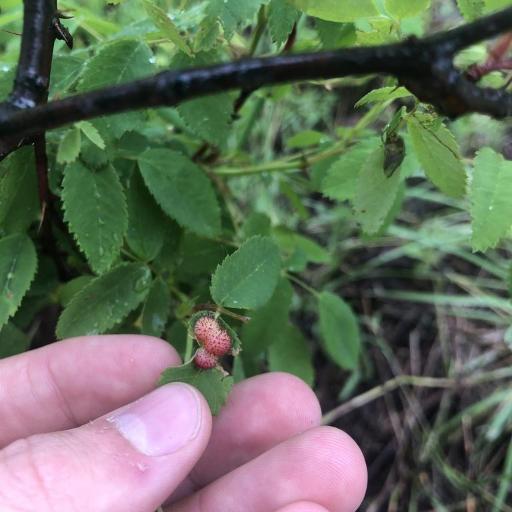
- 🏰 The Gall (Home): The most recognizable sign is a spherical, pea-sized growth on rose leaves, covered in soft-looking but firm fleshy spines. They transition from bright green to deep crimson red.
- 🦟 The Wasp: The adult is a minuscule, dark, delicate-looking wasp (Cynipid), often less than 4mm long, making it nearly invisible to the naked eye.
- 🌿 The Host: Look specifically on wild roses, particularly the Prickly Rose (Rosa acicularis). You won't find these on your store-bought hybrid tea roses.
🌲 Habitat & Ecology
- 🧪 Chemical Hijacking: This wasp is a master bio-engineer. When the female lays her eggs in the leaf bud, she injects a chemical that "reprograms" the rose’s DNA, forcing the plant to grow a protective, nutrient-rich spiked fortress around her larvae.
- 🕸️ A Miniature Ecosystem: These galls aren't just for the wasp! Other "hitchhiker" insects (inquilines) often sneak their own eggs into the gall, and parasitic wasps may drill inside to hunt the Diplolepis larvae.
- 🍂 Lifecycle: The larvae spend the winter safely tucked inside the gall on the ground after the leaves fall, emerging as adults the following spring to start the cycle again.
⚠️ Safety & Toxicity
- 🛡️ Status: Completely harmless to humans and pets.
- 🐝 No Sting: Despite being a "wasp," Diplolepis polita does not possess a stinger to defend itself against humans; its ovipositor is strictly used for laying eggs in plants.
- 🥀 Plant Health: While the galls look dramatic, they are "cosmetic" pests. They rarely cause any significant harm to the overall health or survival of the rose bush.
✨ Fun Fact
Inside that tiny spiny ball, the rose plant is forced to produce high concentrations of tannic acid. This makes the gall taste incredibly bitter, acting as a chemical shield to prevent birds or squirrels from snacking on the developing larvae inside!
More Details








