Info
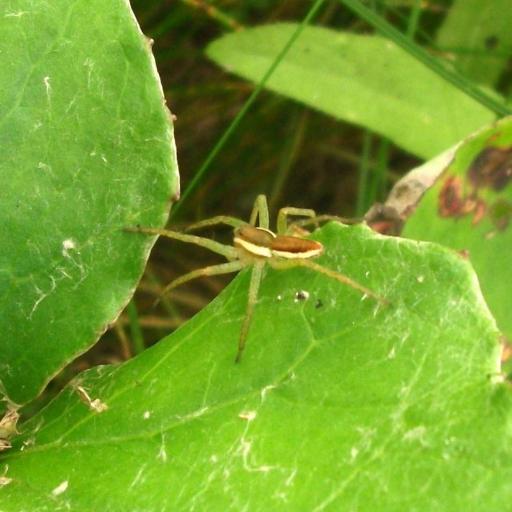
Often called the Raft Spider, this impressive arachnid is a true master of the wetlands. Known for its uncanny ability to literally run across the surface of the water, it is one of the largest and most striking spiders found in Europe and parts of Asia. Despite its formidable size, it is a shy dweller of the reeds, playing a vital role as a top predator in boggy ecosystems.
🔍 How to Identify
- 🕷️ Impressive Scale: This is a heavyweight among spiders; females can reach a body length of over 20mm, with a leg span that makes them appear much larger when stretched out on the water.
- ⚪ Signature Stripes: They are easily recognized by two bold, cream or white longitudinal stripes running down the sides of their dark chocolate-brown or mahogany body.
- 🛶 Water-Ready Legs: Their long, sturdy legs are covered in specialized, water-repellent hairs that allow them to utilize surface tension to "skate" or sit atop the water without sinking.
🌲 Habitat & Ecology
- 💧 Semi-Aquatic Lifestyle: You won't find these in a dry attic; they live exclusively near fens, bogs, and the edges of ponds where they can keep their front legs resting on the water's surface.
- 🏹 The Vibration Hunter: Instead of spinning a sticky web to catch food, they act as "sit-and-wait" predators. They feel for the tiny ripples made by prey, lunging forward to grab pond skaters, tadpoles, or even small fish.
- 🐣 Nursery Webs: While they don't hunt with webs, mothers carry their large, silken egg sacs in their jaws and later build a "tent" or nursery web in the bushes to protect their spiderlings.
⚠️ Safety & Toxicity
- 🛡️ Non-Aggressive: While their size can be startling, Raft Spiders are quite shy and will usually dive underwater or scuttle into thick vegetation if a human approaches.
- 🤏 Low Risk: They are capable of biting if handled roughly or squeezed. The bite may cause some localized pain and swelling (similar to a bee sting), but they are not considered medically significant or dangerous to humans or pets.
✨ Fun Fact
When threatened by a bird or a larger predator, the Raft Spider can submerge itself completely under the water for several minutes, surviving on a thin "silver" layer of air trapped against its body hairs!
More Details








