Info
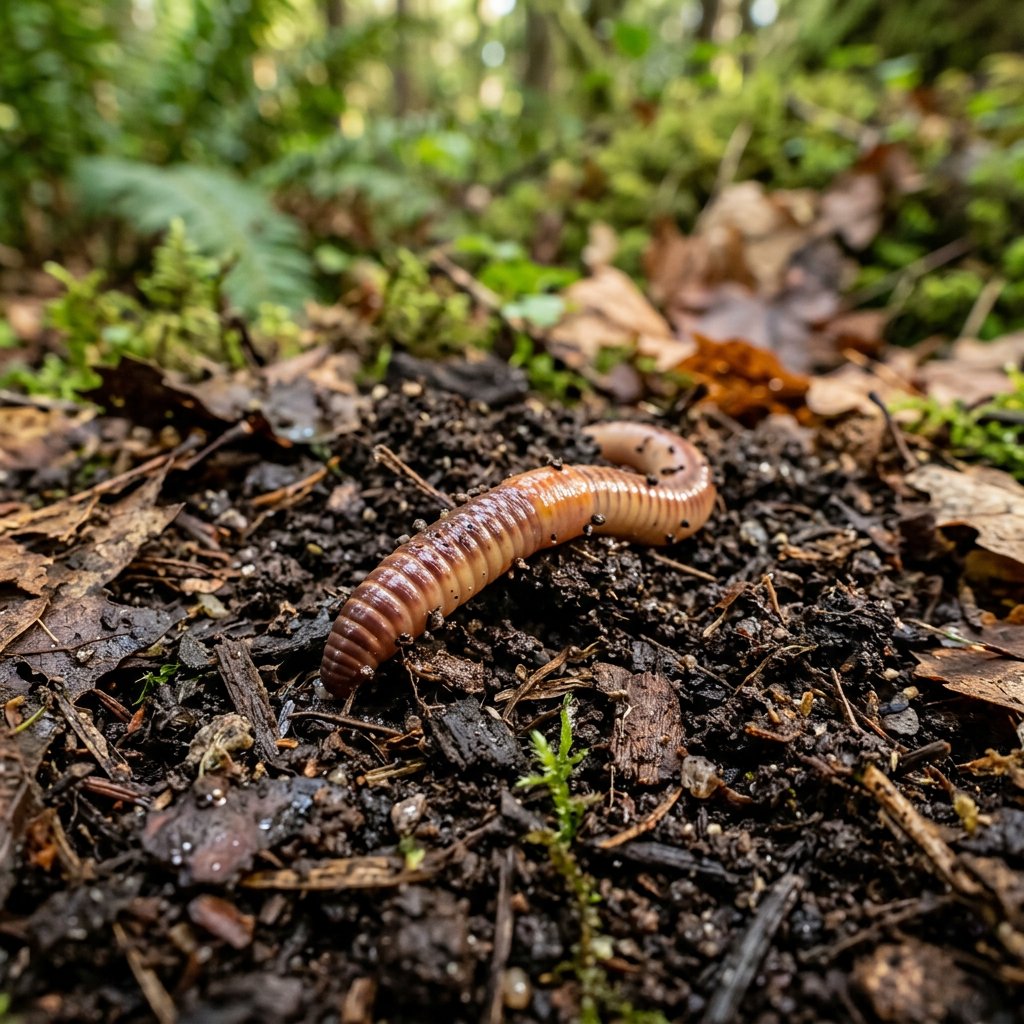
Often called the "Red Wiggler," "Tiger Worm," or "Brandling Worm," Eisenia fetida is the undisputed king of the compost bin. While often grouped with garden insects, this hardworking invertebrate is actually a specialized earthworm that has become a global superstar for its ability to turn kitchen scraps into "black gold" (vermicompost). In many cultures, they are seen as symbols of renewal and soil health.
🔍 How to Identify
- 🪱 Striped Segments: They feature distinct reddish-orange and pale yellow alternating bands, which gives them their "Tiger Worm" nickname.
- 🎨 Rich Coloration: Their bodies are typically a deep brownish-red or purple-pink, which is more vibrant than the dull grey of common field earthworms.
- 🧪 Defensive Scent: If handled roughly, they emit a pungent, yellowish fluid with a distinct odor. This is reflected in their Latin name fetida, which means "foul-smelling."
🌲 Habitat & Ecology
- 🍎 Surface Dwellers: Unlike common earthworms that burrow deep into the dirt, Red Wigglers are "epigeic," meaning they live in the top layers of decaying organic matter, leaf litter, and manure.
- 🍄 The Ultimate Recycler: They don't actually eat the "scraps" directly; they consume the bacteria and fungi that break down the waste, effectively cleaning the environment as they go.
⚠️ Safety & Toxicity
- ✅ Completely Harmless: Red Wigglers are non-toxic, do not bite, and have no stingers. They are one of the safest creatures to handle in a garden or classroom setting.
- 🐾 Pet Friendly: They are safe for pets and are frequently used as high-protein feeders for reptiles, amphibians, and aquarium fish.
✨ Fun Fact
A healthy population of Red Wigglers is a biological powerhouse; they can eat up to half their own body weight in organic waste every single day. Under the right conditions, a colony of these worms can double its population every 90 days!
More Details








