Info
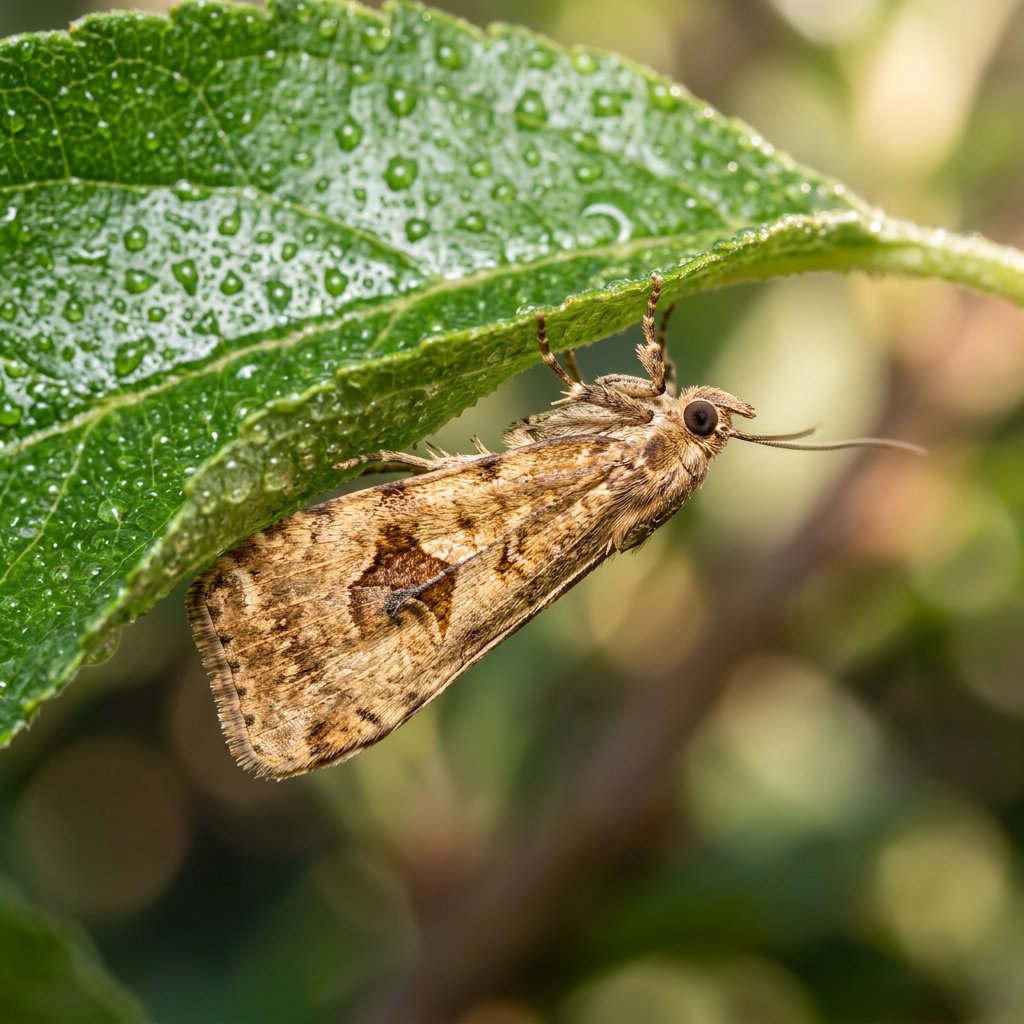
Often called the Light Brown Apple Moth (or simply LBAM), this unassuming hitchhiker from Australia has gained a global reputation as a master of disguise. While it may look like a common, drab moth, it is a formidable "generalist" that can make a home on over 2,000 different types of plants. To a gardener, it is less of a visitor and more of an uninvited guest with an insatiable appetite.
🔍 How to Identify
- 🔔 Bell-Shaped Wings: When at rest, the moth’s wings overlap to create a distinct "bell" or "delta" shape, typical of the Tortricid family.
- 🎨 Variable Camouflage: Their color ranges from pale ochre to a light cinnamon brown. Males often have a darker brown band across the middle of the wing, while females are usually larger and paler.
- 🐛 The "Leaf Roller" Larvae: The young caterpillars are translucent green with a yellowish head. You’ll rarely see them out in the open; they prefer to hide inside leaves they have tightly rolled and fastened with silk.
🌲 Behavior & Habitat
- 🍽️ A Global Diner: Unlike specialized insects, this moth isn't picky. It thrives on everything from apple and citrus trees to roses, jasmine, and even redwood trees.
- 🏠 Silk Shelters: The larvae are expert architects. They use silk to web leaves together or fold the edges of a single leaf to create a protective "tent" where they feed in safety, away from the eyes of hungry birds.
- 🌙 Night Owls: Adults are nocturnal and are most active during the twilight hours. If you disturb a bush during the day and a small, tan moth zig-zags out quickly to find a new hiding spot, it’s likely an LBAM.
⚠️ Safety & Toxicity
- ✅ Harmless to Humans: This insect does not bite, sting, or carry diseases. It is completely safe to handle, though the caterpillars are quite wiggly and will often drop rapidly on a silk thread if disturbed.
- 🥀 Garden Threat: While safe for you, they are a major threat to your plants. Their feeding can skeletonize leaves and cause unsightly scarring on the skin of developing fruits, which can lead to rot.
✨ Fun Fact
The Light Brown Apple Moth is such a successful traveler that it is considered a "quarantine pest" in many countries. Its ability to survive on so many different plants means it can accidentally settle in almost any climate it lands in!
More Details








