Info
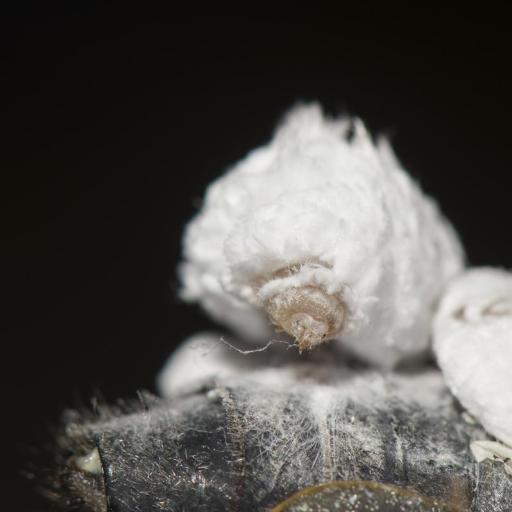
Commonly known as Planthopper Parasite Moths, these tiny insects lead one of the most bizarre and specialized lifestyles in the moth world. Instead of munching on leaves, their larvae are tiny "hitchhikers" that cling to the backs of jumping bugs like planthoppers and cicadas. They are nature’s fluffy stowaways, often mistaken for a bit of mold or a stray piece of cotton on their host’s body.
🔍 How to Identify
- 🦋 The Adult Silhouette: Adult moths are small, drab, and stout-bodied. They are usually dark gray or brownish-black with rounded wings that lack the intricate patterns of more flamboyant moths.
- ❄️ The Waxy Larvae: You are more likely to notice the larvae than the adults. They are flattened and covered in a thick, white, snowy wax that makes them look like a tiny "cotton boll" attached to another insect.
- 🧶 Oval Cocoons: After they finish feeding, they leave their host and spin small, white, oval cocoons on leaves or stems, which can sometimes be found in clusters.
🌲 Habitat & Ecology
- 🦟 Ectoparasitic Diet: The larvae are the only moths known to be "ectoparasites." They attach themselves to the abdomen or thorax of planthoppers, drinking the host's hemolymph (insect blood) without actually killing the host until they are ready to pupate.
- 🛡️ Camouflage Experts: The white wax produced by the larvae serves a dual purpose: it protects them from the elements and camouflages them against the host, who often produces similar waxy secretions.
- 🌿 Global Travelers: While rare to spot, they are found worldwide, particularly in tropical and subtropical regions where their favorite hosts (planthoppers) thrive in garden foliage.
⚠️ Safety & Toxicity
- ✅ Status: Entirely harmless to humans, pets, and garden plants.
- 🦋 A Gardener's Friend: Because they parasitize planthoppers—which are often considered plant pests—these moths are actually beneficial "mini-predators" that help keep the hopping insect population in check. They do not bite or sting.
✨ Fun Fact
Adult Epipyropidae moths have no functional mouthparts! Because their larvae eat so much rich "bug blood," the adults emerge with enough energy stored that they never need to eat again. They live their entire adult lives (just a few days) solely to find a mate and lay eggs.
More Details








