Info
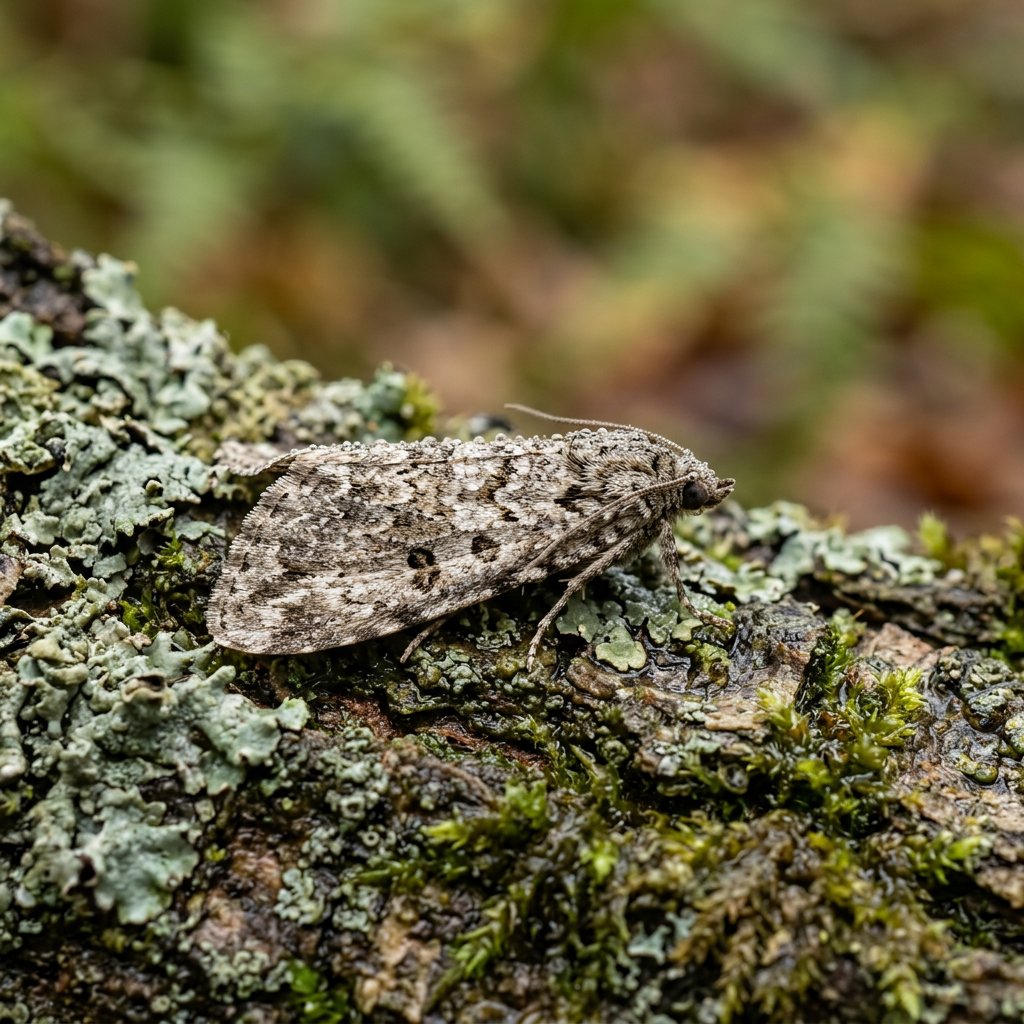
The Grey Pug (Eupithecia subfuscata) is a master of disguise and one of the most widespread members of the "Pug" moth family. Often overlooked because of its modest, earthy tones, this little moth is a common sight in gardens across the Northern Hemisphere. It is a quiet, nocturnal neighbor that spends its days hiding in plain sight, mimicking a piece of bark or a withered leaf.
🔍 How to Identify
- 🦋 Wingspan: A delicate moth with a span of about 17–21 mm. The wings are predominantly a soft, mottled grey-brown.
- ⚫ The Discal Spot: Look for a small, distinct dark-grey or blackish dot (the "discal spot") located near the center of the forewing.
- 📐 Resting Posture: Unlike many other moths that fold their wings like a tent, the Grey Pug rests with its wings spread wide and flat against the surface, creating a triangular silhouette.
🌲 Habitat & Ecology
- 🍽️ A Diverse Menu: While some moths are picky eaters, the Grey Pug caterpillar is a "generalist." It happily munches on the flowers and leaves of various plants, including Goldenrod, Ragwort, Yarrow, and even garden shrubs like Privet.
- 🏡 Garden Frequenters: You are likely to find them in woodlands, hedgerows, and urban gardens. During the night, they are frequently drawn to porch lights or windows, while during the day, they cling to fences and tree trunks.
⚠️ Safety & Toxicity
- ✅ Status: Completely harmless.
- 🛡️ Details: This moth does not bite, sting, or carry toxins. It is safe to observe closely and poses no threat to humans, curious children, or household pets. Their only defense is their incredible camouflage.
✨ Fun Fact
The term "Pug" was given to this group of moths by early British entomologists because their short, blunt "faces" and pushed-in appearance reminded them of the flat-faced Pug dog breed!
More Details








