Info
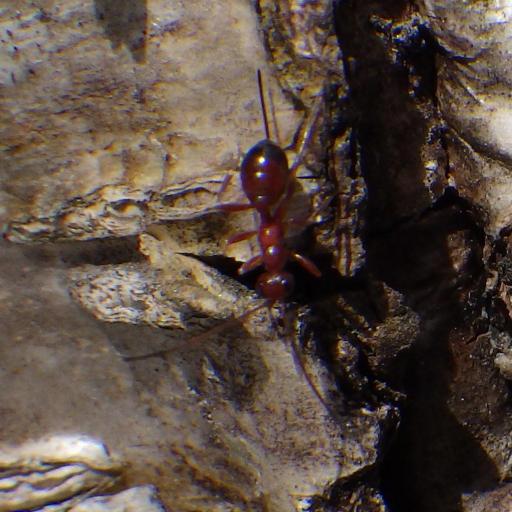
The Gelis wasp is nature’s ultimate undercover agent. Often mistaken for a common ant, these clever ichneumonid wasps have traded their wings for a life of stealth on the ground. Known as "Ant-mimicking wasps," they use their disguise to slip past predators and infiltrate the homes of spiders and other insects unnoticed.
🔍 How to Identify
- 🐜 Ant-Like Body: Most females are entirely wingless with a segmented, elongated body that mimics the silhouette of an ant perfectly.
- 📡 Vibrating Antennae: Unlike ants, Gelis wasps typically have longer antennae that they vibrate rapidly as they "smell" their way across the ground.
- 🗡️ The Ovipositor: Females possess a visible, needle-like tube at the end of their abdomen. While it looks like a stinger, it is actually a specialized tool for laying eggs.
- 🎨 Coloration: They are usually found in shades of rusty orange, deep brown, or black, matching the leaf litter where they spend most of their time.
🌲 Habitat & Ecology
- 🕷️ The Spider Hunter: These wasps are parasitoids, meaning their life cycle depends on others. They specialize in finding spider egg sacs or the cocoons of other small insects to host their larvae.
- 🍂 Floor Dwellers: You will rarely find them in the air; instead, they frequent forest floors, garden mulch, and low-growing shrubs where they can scurry through the shadows.
- 🛡️ Master of Disguise: By looking like an ant, they avoid being eaten by birds and larger wasps, who generally find ants to be chemically "unpleasant" or aggressive.
⚠️ Safety & Toxicity
- ✅ Harmless to Humans: Despite their somewhat "stinger-like" appearance, Gelis wasps are not aggressive and cannot deliver a painful sting to humans or pets.
- 🐕 Pet Safety: They are non-toxic and pose no threat to curious dogs or cats that might find them crawling in the grass.
- 🌿 Garden Friend: They act as a natural population control for spiders and certain moth species, making them a helpful part of a balanced backyard ecosystem.
✨ Fun Fact
Some species of Gelis are so dedicated to their ant disguise that they even produce chemical pheromones that smell like ants, allowing them to walk right through an ant colony without being attacked!
More Details








