Info
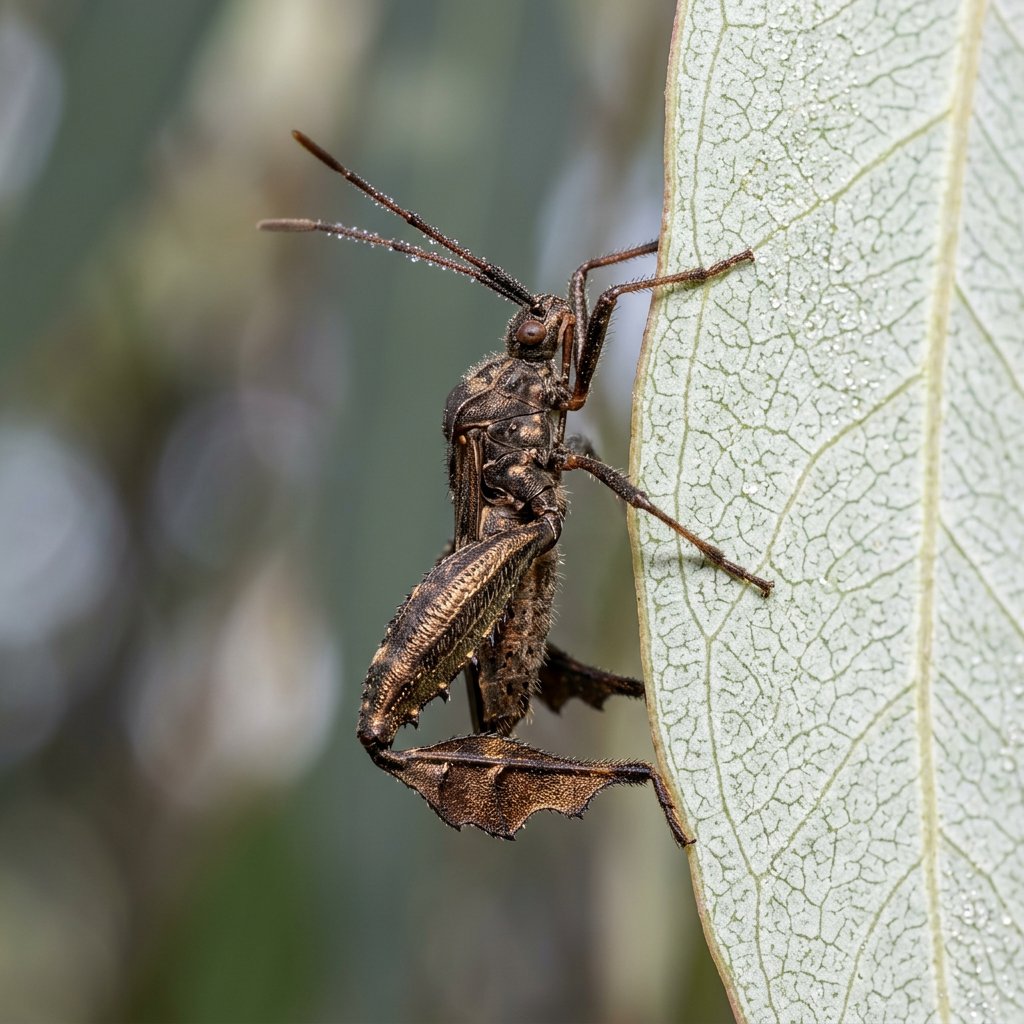
Often called the Common Assassin Bug, this striking predator is a master of the "wait and strike" technique. In the wild gardens of Australia, it acts as a silent guardian, patrolling foliage for unwanted pests. While its vibrant colors serve as a warning to predators, it is a true ally to gardeners—just be sure to admire its lethal beauty from a distance!
🔍 How to Identify
- 🪲 The "Beak": Features a short, sturdy, three-segmented rostrum (proboscis) that curves under the head, used to pierce the armor of other insects.
- 🎨 Warning Colors: A sleek, elongated black body accented by bold orange or red patches on the legs and the sides of the abdomen.
- 🛡️ Body Structure: A distinctively narrow head and "neck" compared to its broad shoulders, giving it a predatory, agile appearance.
🌲 Habitat & Ecology
- 🐜 Nature's Exterminator: These insects are high-level predators in the garden, feeding on a wide variety of pests including caterpillars, aphids, and beetle larvae.
- 🌿 Stealthy Hunter: You will most likely find them lurking on the undersides of leaves or near flower clusters where they wait motionless for an unsuspecting meal to wander by.
⚠️ Safety & Toxicity
- 🩹 The Bite: While not aggressive toward humans, they will defend themselves if handled. The bite is famously painful—often described as feeling like a hot needle or a bee sting—due to the digestive enzymes they inject.
- 🚫 Low Medical Risk: The venom is designed for insects, not mammals. While it causes localized swelling and intense stinging, it is not considered medically significant or life-threatening to humans.
- 🐾 Curious Pets: Keep dogs and cats away; a curious nose-poke could result in a very painful lesson for your pet.
✨ Fun Fact
Assassin bugs are "external digesters." After piercing their prey, they inject a powerful enzyme that liquefies the victim's internal organs, allowing the bug to drink its meal like a biological protein shake!
More Details








