Info
The Common Jay (Graphium doson) is a vibrant, high-speed butterfly that looks like a fragment of a tropical sky caught in motion. Often found darting through the sun-drenched gardens of South and Southeast Asia, this butterfly is a "friend" to any nature lover, acting as an energetic pollinator with a penchant for speed.
🔍 How to Identify
- 🦋 The Wings: A velvet-black background serves as a canvas for a central band of semi-transparent, pale blue or turquoise spots that glow when the light hits them.
- 🎨 The Underside: The wing's underside is paler, featuring additional small crimson-red spots near the base of the hindwings, which are only visible when the butterfly rests.
- ⚡ Flight Pattern: Unlike the slow, rhythmic flapping of many butterflies, the Common Jay has a frantic, "nervous" flight style, zig-zagging rapidly and rarely staying still for more than a few seconds.
🌲 Habitat & Ecology
- 💧 Mud-Puddling: You will often find groups of males gathering on damp sand or muddy banks. This behavior, known as "mud-puddling," allows them to suck up essential minerals and salts from the wet earth.
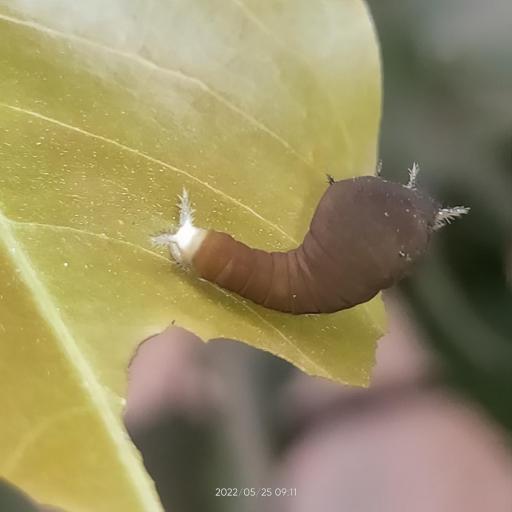
- 🌿 Host Plants: In your garden, they look for specific "nursery" plants like the Mast Tree (Polyalthia longifolia), Magnolia, or Cinnamon trees. The caterpillars are bright green and blend in perfectly with the leaves they consume.
- 🏙️ Urban Adaptability: This species is incredibly hardy and has adapted well to city life, provided there are enough nectar-rich flowers and host trees available.
⚠️ Safety & Toxicity
- ✅ Harmless: The Common Jay is entirely safe for humans and pets. It does not bite, sting, or possess any chemical irritants.
- 🌱 Garden Impact: While the caterpillars eat leaves, they are rarely numerous enough to kill a tree. They are a vital part of the food chain, providing a snack for local birds and predatory wasps.
✨ Fun Fact
The Common Jay is considered one of the "fastest" butterflies in its region. Its erratic and high-velocity flight is a survival strategy—it moves so quickly and unpredictably that birds find it nearly impossible to catch mid-air!
More Details








