Info
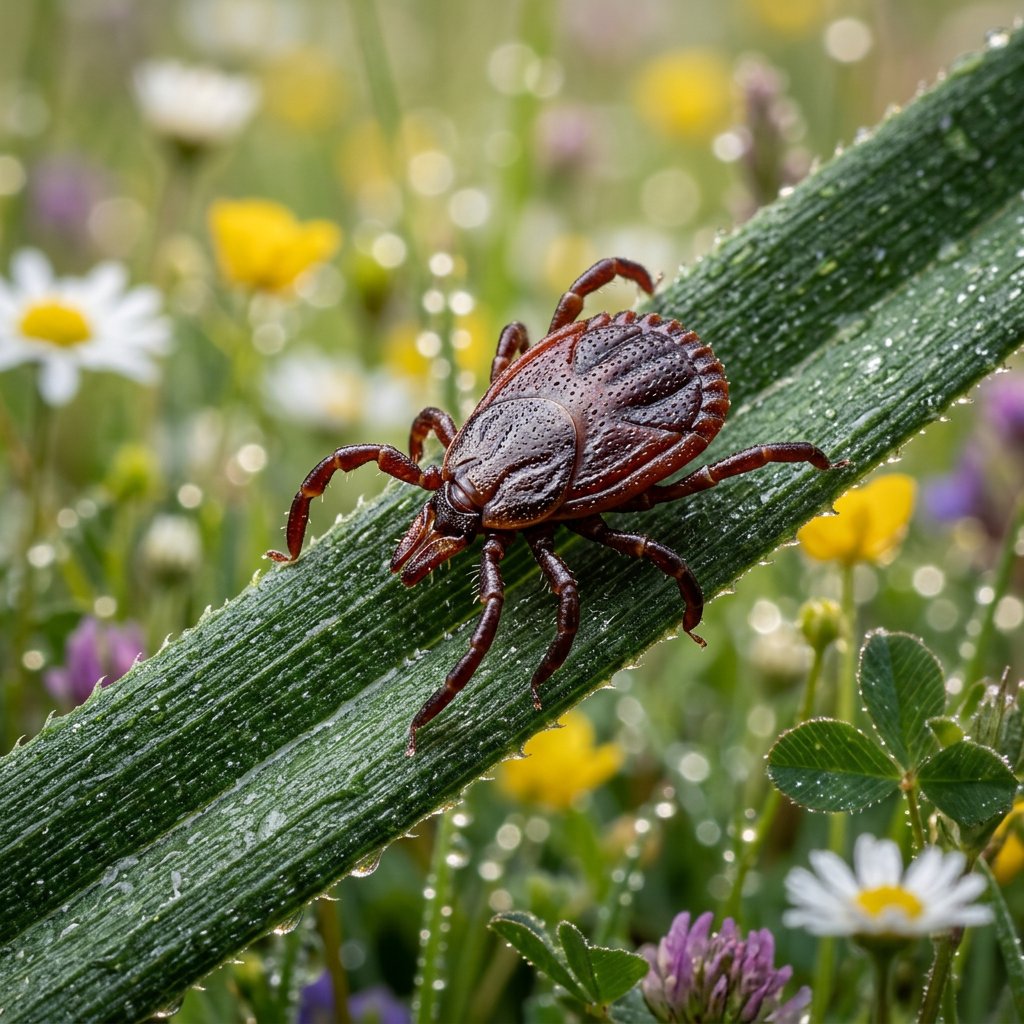
Known commonly as Bush Ticks or Bird Ticks, members of the Haemaphysalis genus are small, hardy hitchhikers that have mastered the art of survival. While they lack the flashy patterns of some of their cousins, these ticks are formidable travelers, often crossing continents by clinging to migratory birds or livestock. They are masters of patience, waiting in tall grass for the perfect host to brush by.
🔍 How to Identify
- 🕵️ Compact Frame: These are relatively small "hard ticks" with a smooth, brownish, and unornate body (meaning they lack the white spots or fancy patterns seen on Lone Star or Dog ticks).
- 👄 Short Mouthparts: Unlike many other tick species, their mouthparts (palps) are notably short and wide, often giving the "head" area a flared, triangular appearance.
- 🚫 The "Eyeless" Wonder: Most species in this genus lack eyes entirely, relying instead on specialized sensors to detect the carbon dioxide and heat of a passing mammal or bird.
🌲 Habitat & Ecology
- 🌾 The Waiting Game: You will most likely encounter them in "transition zones"—where the forest meets a meadow or along the edges of hiking trails. They practice "questing," where they climb to the tips of grass blades and wave their front legs to grab onto passing skin or fur.
- 🐦 Diverse Hosts: While they are famous for bothering cattle and dogs, many species within this genus are specialists that prefer birds or small forest mammals, making them a quiet but constant presence in the wild ecosystem.
⚠️ Safety & Toxicity
- 🚨 Vector Status: While not "poisonous" in the traditional sense, they are significant carriers of pathogens. They are known to transmit various rickettsial diseases and, in some regions, Severe Fever with Thrombocytopenia Syndrome (SFTS).
- 🐕 Pet Protection: These ticks can cause "tick worry" or anemia in livestock and pets if infestations are heavy. Always check your dogs thoroughly after a walk in tall grass, focusing on the ears and between the toes.
- 🧤 Safe Removal: If found on a person or pet, use fine-tipped tweezers to grasp the tick as close to the skin as possible and pull upward with steady, even pressure. Do not use matches or petroleum jelly.
✨ Fun Fact
The Asian Longhorned Tick (Haemaphysalis longicornis) has a "superpower" called parthenogenesis. A single female can produce thousands of eggs without ever needing a mate, essentially creating a massive army of clones that can quickly overwhelm a host!
More Details








