Info
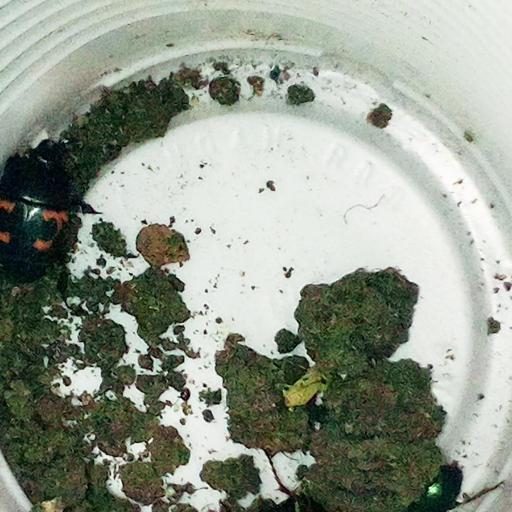
Often known as the Four-spotted Clown Beetle, this glossy little insect is a tiny powerhouse of the underworld. Despite its slightly spooky association with decaying matter, it is a gardener's secret ally. Its name comes from the four vivid red-orange splashes on its back, which stand out like war paint against its polished, jet-black body.
🔍 How to Identify
- 🐞 The Markings: Its most striking feature is the four crescent-shaped red spots on its wing covers (elytra), arranged in two pairs.
- 🛡️ Body Armor: It has a very hard, oval, and flattened body that looks almost like a polished black pebble.
- ✂️ The Jaws: It possesses prominent, forward-facing mandibles (pincers) used for catching prey, giving its "face" a fierce look.
🌲 Habitat & Ecology
- 🥩 The Clean-up Crew: These beetles are most commonly found near dung, compost, or decaying organic matter. They aren't there to eat the waste, though—they are there to hunt the fly larvae (maggots) that live within it.
- 🐢 The Turtle Defense: When threatened, the Clown Beetle is a master of "thanatosis" (playing dead). It can tuck its legs and antennae into special grooves on its underside, becoming a smooth, impenetrable "pill" that predators find hard to grab.
- 🚜 Agricultural Friend: Because they voraciously consume the larvae of flies that bother livestock, they are considered highly beneficial insects in pasture ecosystems.
⚠️ Safety & Toxicity
- 🟢 Harmless to Humans: The Four-spotted Clown Beetle is non-toxic and does not possess a stinger.
- 🤏 Minor Pinch: While they have strong mandibles for hunting other insects, they are not aggressive toward humans. If handled roughly, they might give a tiny, harmless pinch, but they would much rather play dead than fight a giant.
✨ Fun Fact
The family name Histeridae comes from the Latin word "hister," which refers to an actor or a mime. This is a nod to the beetle’s dramatic "acting" skills when it freezes perfectly still to pretend it’s a lifeless stone!
More Details








