Info
Often known as the "Stinging Moth," members of the Hylesia genus are famous—and sometimes feared—throughout Central and South America. While they look like typical, dusty-brown night-flyers, they carry a hidden defense mechanism that has earned them a spot in both local folklore and public health warnings.
🔍 How to Identify
- 🦋 Earthy Camouflage: These moths are usually medium-sized with wingspans featuring shades of tan, chocolate brown, or slate grey, often decorated with subtle wavy lines or faint "eye" spots.
- 🪵 Fuzzy Abdomen: The most distinctive feature is the thick, bulbous abdomen, which is densely covered in specialized, microscopic barbed hairs (setae).
- 📐 Tent-Like Posture: When resting on a wall or tree trunk, they hold their wings in a flat, triangular shape, blending perfectly into bark or dried leaves.
🌲 Habitat & Ecology
- 🌳 Tropical Travelers: They are native to Neotropical forests but are highly attracted to artificial "white" lights, which frequently draws large numbers into porches and city streets.
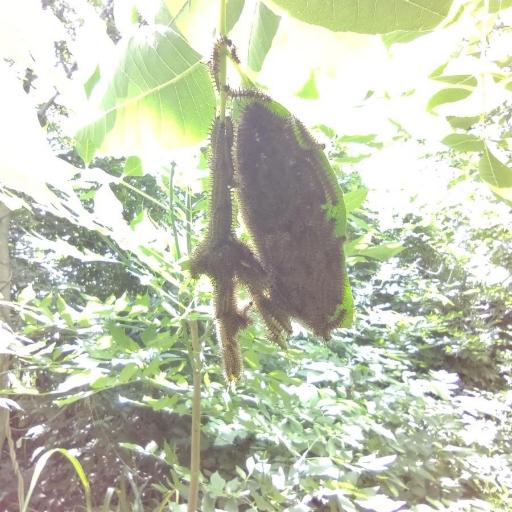
- 🍃 Communal Caterpillars: Before they become moths, the larvae live in large groups. You might see them moving together in "processions" across tree trunks as they search for leaves to munch on.
⚠️ Safety & Toxicity
- 🚫 Lepidopterism Warning: Hylesia moths do not bite or sting in the traditional sense. Instead, the females release clouds of microscopic, barbed hairs when they flutter. These hairs contain a toxin that causes a severe, itchy skin rash known as "lepidopterism."
- 🧴 Avoid Contact: Never handle these moths with bare hands. Even being in a room where many have gathered can lead to skin irritation or respiratory discomfort if the hairs are inhaled. Keep curious pets away, as the hairs can get stuck in their fur and transfer to humans.
✨ Fun Fact
- ✨ The Poisonous Blanket: A mother Hylesia moth uses her irritating hairs for more than just self-defense; she actually plucks them from her own body to cover her eggs, creating a protective, toxic "blanket" that keeps predators from eating her future offspring!
More Details








