Info
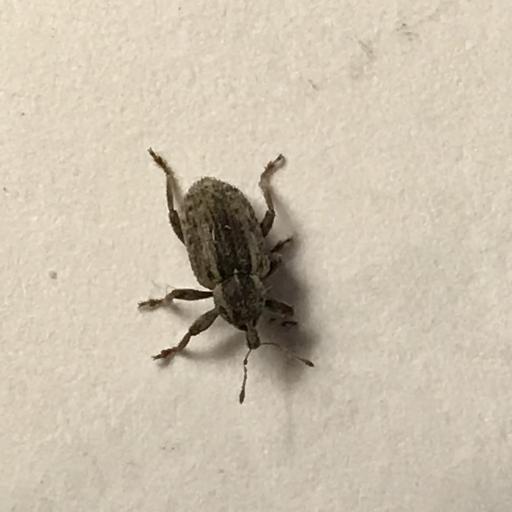
Known as the Alfalfa Weevil, this tiny beetle is a notorious "foe" for farmers and hobbyists who enjoy growing legumes. While it lacks the intimidating sting of a wasp, its distinctive long snout and destructive appetite for greens make it a formidable guest in the garden. Historically traveling from Europe to the rest of the world, it has become one of the most significant pests for hay and forage crops.
🔍 How to Identify
- 👃 The Snout: Like all true weevils, it features a prominent, downward-curving "beak" or rostrum used for feeding and laying eggs.
- 🧥 The Pattern: The adult is a small, brownish-grey beetle with a distinct, dark brown stripe running right down the center of its back.
- 🐛 The Larvae: If you don't see the adults, look for tiny, bright green, legless grubs with a white stripe down their spine and a jet-black head.
🌲 Habitat & Ecology
- 🍽️ The Menu: This insect is a specialist; it focuses almost exclusively on alfalfa, though it will occasionally snack on various types of clover and vetch.
- 🏠 Hiding Spots: During the day, adults often hide in the debris at the base of plants. They are most active in the spring when they emerge from the soil to feast on fresh, tender growth.
- 🍂 Lifecycle Nuance: The females are master hiders—they use their snouts to chew holes in plant stems and tuck their eggs safely inside, out of reach from many predators.
⚠️ Safety & Toxicity
- ✅ Status: Harmless to humans and animals.
- 🌿 Details: The Alfalfa Weevil does not bite, sting, or carry diseases that affect people or pets. Its "toxicity" is purely economic and horticultural, as a heavy infestation can skeletonize a garden patch in a matter of days.
✨ Fun Fact
When an Alfalfa Weevil feels threatened, it performs a dramatic "play-dead" routine called thanatosis. It will tuck its legs in, drop off the leaf, and remain perfectly still on the ground until it senses the danger has passed!
More Details








