Info
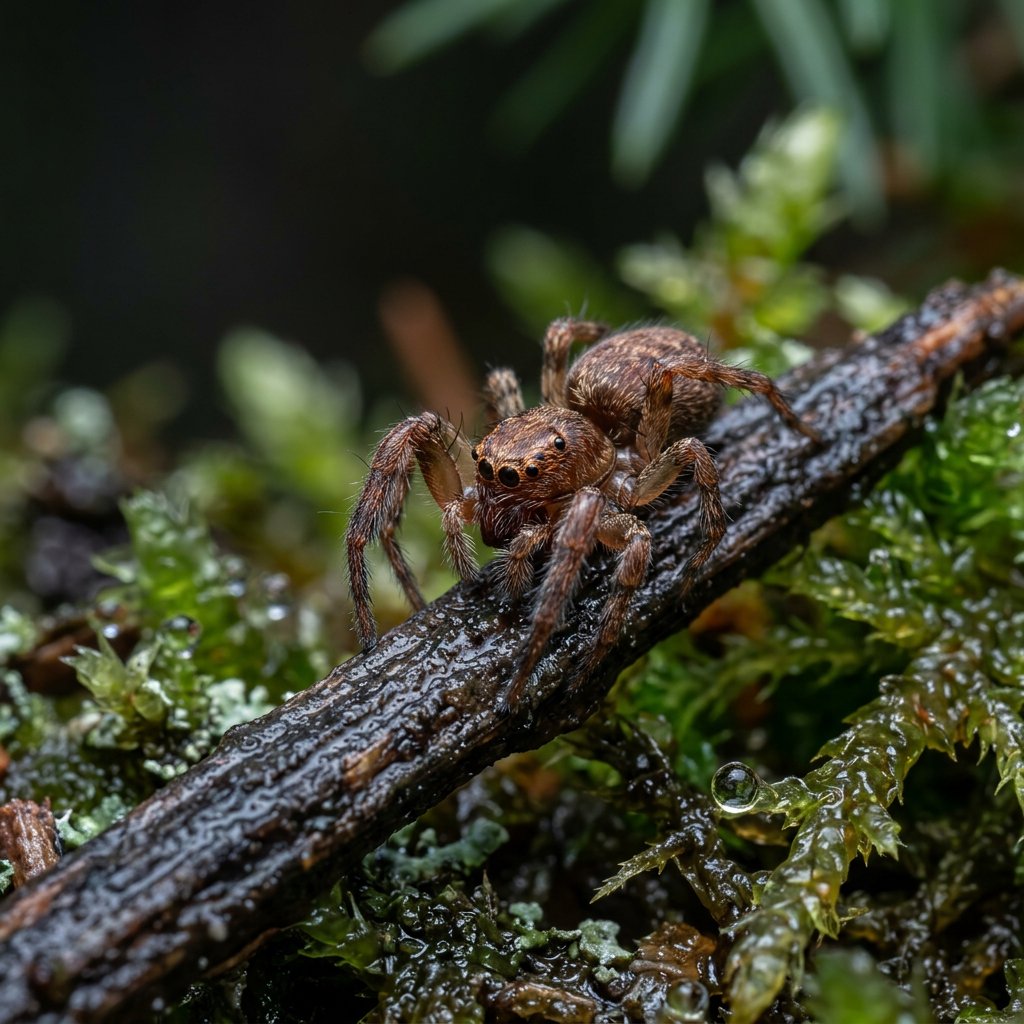
Often called the Red-legged Dwarf Spider, Hypselistes is a tiny but vibrant member of the Linyphiidae family. Despite its minuscule size, it stands out in the undergrowth like a wandering jewel due to its striking color contrast. These spiders are the silent, microscopic hunters of the garden floor, keeping soil pests in check without ever being noticed by the average passerby.
🔍 How to Identify
- 🎨 The "Two-Tone" Look: They typically feature a bright, glossy reddish-orange cephalothorax (the front section) paired with a dark, bulbous abdomen that can appear deep charcoal or black.
- 📏 Micro-Sized: These are true "dwarf" spiders, usually measuring only 2 to 3 millimeters in length. You’ll need a keen eye or a magnifying glass to see their details!
- 🕷️ Slender Limbs: Their legs are translucent and delicate, usually matching the reddish-orange hue of their heads, allowing them to scurry quickly through tangled moss and grass.
🌲 Habitat & Ecology
- 🍂 Leaf Litter Specialists: You are most likely to find them in damp environments, such as among fallen leaves, inside thick moss, or at the very base of garden shrubs where moisture is trapped.
- 🕸️ Sheet-Web Architects: Unlike the classic circular webs of garden spiders, Hypselistes constructs tiny, flat "sheet" webs. They hang upside down beneath these horizontal silk platforms, waiting for even smaller insects like springtails or gnats to land on top.
- 🌱 Garden Guardians: They play a vital role in the ecosystem by controlling the population of micro-pests that live in the soil and mulch, helping to maintain the health of your plant roots.
⚠️ Safety & Toxicity
- ✅ Harmless to Humans: While they are predators in the insect world, they are completely harmless to humans. Their fangs are far too small to penetrate human skin.
- 🐾 Pet Friendly: They pose no threat to curious cats or dogs. If a pet encounters one, the spider is much more likely to play dead or run away than show any aggression.
- 🛡️ Non-Aggressive: They are incredibly shy and spend most of their lives hidden away from light and vibration.
✨ Fun Fact
Even though they are tiny, Hypselistes are masters of travel known as "ballooning." They tilt their abdomens into the air and release a silk thread that catches the wind, allowing them to fly for miles to find new territory—meaning one could "land" in your garden from a forest miles away!
More Details








