Info
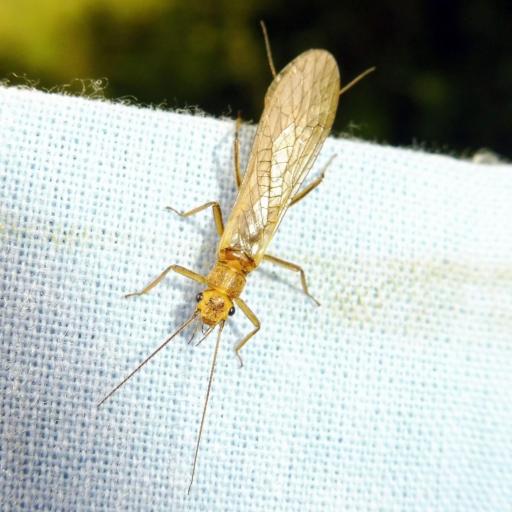
Known to fly-fishers worldwide as "Yellow Sallies," the Isoperla stoneflies are vibrant, golden-hued residents of the world's cleanest moving waters. These delicate-looking insects are more than just a splash of color by the riverbank; they are "biological sentinels" whose presence signals an exceptionally healthy and unpolluted environment. While they might look like tiny, frantic yellow darts when they emerge in late spring, they are peaceful neighbors to humans.
🔍 How to Identify
- 🎨 Signature Color: Most species are a striking shade of lemon yellow or pale lime green, making them stand out against river rocks.
- 📏 Body Shape: They have a flattened, elongated body with wings that fold neatly and flat over their back when at rest, rather than tented like a moth.
- 🥖 Twin Tails: Look closely at the rear; you will see two distinct, long "tails" (cerci) poking out, which is a classic stonefly trademark.
- 🐜 Antennae: They possess long, sweeping antennae that help them navigate the rocky crevices of their watery homes.
🌲 Habitat & Ecology
- 💧 The Cleanliness Test: Isoperla are extremely sensitive to water pollution. If you see them swarming, it is a high-fives-all-around moment for the local ecosystem, as it means the oxygen levels are high and the water is pure.
- 🍽️ A Predator’s Youth: Before they take to the air, the larvae (nymphs) live underwater for a year or more. Unlike many other insects, Isoperla nymphs are active hunters, prowling between submerged stones to feast on smaller larvae like midges and blackflies.
- 🦟 Short-Lived Adults: Once they transition to their winged adult form, their primary goal is reproduction. They are clumsy flyers and often stay very close to the water’s edge where they first emerged.
⚠️ Safety & Toxicity
- 🛡️ Completely Harmless: Isoperla insects are gentle creatures. They do not have stingers, they do not bite humans, and they do not carry any known diseases.
- 🐾 Pet & Child Friendly: Because they lack any chemical defenses or venom, they pose no threat to curious pets or children who might find them near a stream.
- 🎣 Fish Food: Far from being dangerous, they are a primary food source for trout and other freshwater fish, making them a favorite inspiration for fishing lures.
✨ Fun Fact
Stoneflies like Isoperla have a unique way of "flirting." To find a mate, the males drum their abdomens against stones or wood, creating a specific rhythmic vibration. If a female likes the "beat," she drums back in response, leading them to find each other in the dark!
More Details








