Info
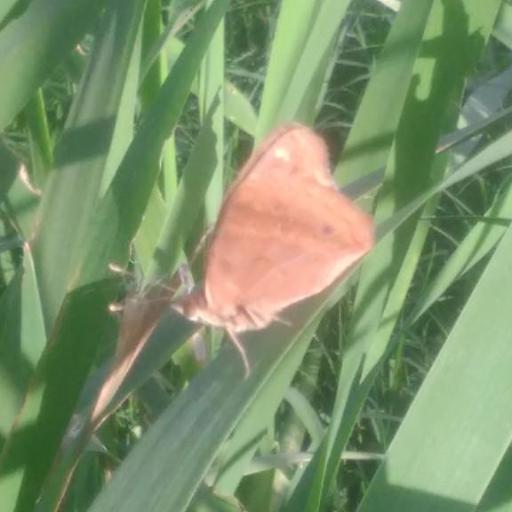
The Mangrove Buckeye (Junonia lavinia) is a master of biological trickery and coastal charm. Often found flitting through salt marshes and tropical shorelines, this butterfly is famous for the striking "eyespots" on its wings that seem to stare back at you. In many cultures, these patterns are seen as "protective eyes," though in nature, they serve a much more practical purpose: scaring away hungry birds.
🔍 How to Identify
- 👁️ The Eyespots: The most iconic feature—large, circular ocelli (eyespots) on both the forewings and hindwings, designed to mimic the eyes of a much larger predator.
- 🦋 Wing Coloration: The upper side of the wings is typically a rich chocolate brown or deep mahogany, accented with vibrant orange bars and a distinctive pale or white diagonal band on the forewing.
- 🍂 Underwing Camouflage: When the wings are closed, the underside is a dull, mottled grey-brown, making the butterfly look exactly like a dead leaf to help it hide from predators while resting.
🌊 Habitat & Ecology
- 🏝️ Coastal Specialist: As its common name suggests, this species is highly adapted to mangrove forests, salt marshes, and coastal meadows throughout the Caribbean and tropical Americas.
- 🌿 The Caterpillar Diet: The larvae are dark and spiky, primarily feeding on the leaves of Black Mangrove (Avicennia germinans) and various plants in the snapdragon family.
- ☀️ Sun-Loving Behavior: You will often see them perched on low vegetation or bare ground with their wings spread wide, soaking up the sun's heat to fuel their fast, erratic flight.
⚠️ Safety & Toxicity
- ✅ Harmless: The Mangrove Buckeye is a "friendly" insect that poses no threat to humans, pets, or gardens.
- 👐 Gentle Observation: They do not bite or sting. However, like all butterflies, their wings are covered in delicate scales; touching them can damage their ability to fly, so it is best to admire them with your eyes only.
✨ Fun Fact
The Mangrove Buckeye is a highly territorial insect! Males will often find a "perch" on a sunny leaf and aggressively chase away any other butterflies—even those much larger than themselves—that dare to fly into their personal space.
More Details








