Info
Known as the "Buckeyes" or "Pansies," members of the Junonia genus are the watchful guardians of the meadow. With their hypnotic, multi-colored eyespots, they look like they are constantly staring back at you—a clever evolutionary trick designed to startle hungry birds. These butterflies are a delight for gardeners, bringing both movement and a touch of "earth-toned elegance" to any sunny backyard.
🔍 How to Identify
- 👁️ Target Eyespots: The most striking feature is the large, circular "eyes" on the wings, often featuring iridescent blue, violet, or yellow centers ringed in black and orange.
- 🎨 Earthy Palette: Their wings are primarily chocolate brown or tan, accented with bold orange bars and crisp white diagonal bands on the forewings.
- ✈️ Snap-and-Glide Flight: They have a very distinctive flight style, characterized by a few quick flaps (snaps) followed by a low-to-the-ground glide.
🌲 Habitat & Ecology
- 🌞 Sun Lovers: You will rarely find a Buckeye in the deep woods; they prefer wide-open, sunny spaces like meadows, coastal dunes, and suburban gardens where they can bask on bare soil.
- ⚔️ Territorial Sentinels: Males are famously feisty. They pick a favorite perch on a low leaf or the ground and will fly out to "investigate" or chase away anything that enters their territory, including other butterflies or even large animals.
- 🌿 Caterpillar Hosts: They lay their eggs on "weedy" favorites like plantains, snapdragons, and toadflax. If you want them in your garden, leaving a few wild patches of these plants is essential.
⚠️ Safety & Toxicity
- ✅ Harmless Friend: These butterflies are completely safe for humans and pets. They do not bite or sting, and they serve as excellent pollinators for local flora.
- 🦋 Fragile Wings: Like all butterflies, their wings are covered in tiny scales. Avoid catching them by the wings, as this can rub off the protective coating and hinder their ability to fly and regulate temperature.
✨ Fun Fact
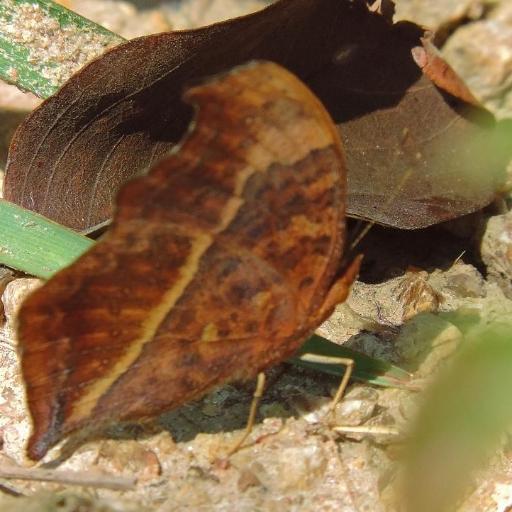
The Junonia genus is a master of seasonal disguises. In many species, individuals born in the autumn have much darker, reddish-pink undersides compared to their summer siblings. This "winter coat" helps them blend in perfectly with dead leaves as the weather cools.
More Details








