Info
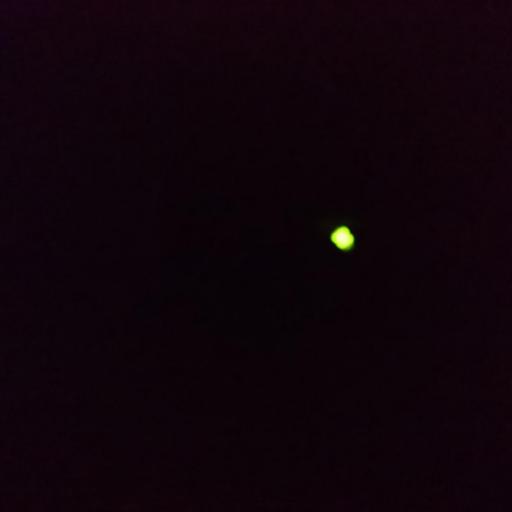
Often called the "Living Lantern," Lampyris noctiluca is one of nature's most enchanting nighttime sights. Despite its name, this creature is not a worm at all but a beetle that has traded the power of flight (in females) for a brilliant bioluminescent beacon. In European folklore, these "stars of the earth" were often said to be used by fairies to light their secret woodland paths.
🔍 How to Identify
- 🐞 Sexual Dimorphism: Females look like wingless, segmented larvae (the "worm" appearance), while males look like typical brownish beetles with hard wing cases.
- 🟢 The Abdominal Glow: The female possesses a powerful light-producing organ on the underside of her tail, emitting a steady, lime-green radiance.
- 🛡️ The Shield: Both sexes feature a broad, flat plate (pronotum) that extends over the head like a tiny hooded cloak, often hiding their eyes from a top-down view.
🌲 Habitat & Ecology
- 🐌 Slug Hunters: While the glowing adults rarely eat, the larvae are fierce predators. they track snails and slugs by their slime trails and deliver a paralyzing bite before consuming them.
- 🌾 Meadows and Verges: They thrive in undisturbed, lime-rich grasslands, hedgerows, and garden edges where the grass is long enough to provide cover from the sun.
- 🚫 Light Sensitive: They are heavily affected by light pollution. Bright garden lights can drown out the female’s signal, preventing the winged males from finding their mates and ending the local colony's life cycle.
⚠️ Safety & Toxicity
- ✅ Harmless: Common Glow-worms are completely safe for humans. They do not sting, bite, or carry any known diseases.
- 🐾 Pet Safety: They are not toxic to cats or dogs. However, their bioluminescence serves as "aposematism"—a warning to predators that they might taste bitter or unpleasant, so most pets will naturally leave them alone.
✨ Fun Fact
The glow produced by the Lampyris noctiluca is considered "cold light." Unlike a standard LED or incandescent bulb that wastes energy as heat, the glow-worm’s chemical reaction (luciferin reacting with oxygen) is nearly 100% efficient, losing almost no energy to thermal warmth.
More Details








