Info
Often called the "Yellow Meadow Ant," these tiny, subterranean architects are the silent farmers of the insect world. Living almost entirely underground, they are rarely seen unless you flip over a heavy garden stone or witness their massive swarming flights on humid summer afternoons. They are the shy, amber-colored cousins of the common black garden ant, preferring a life of quiet industry beneath your feet.
🔍 How to Identify
- 💛 Golden Hue: Unlike most common ants, these workers are a distinct translucent yellow or pale amber color.
- 📏 Diminutive Size: The workers are quite small, usually measuring between 2 and 4 millimeters, while the queens are much larger and a darker, polished brown.
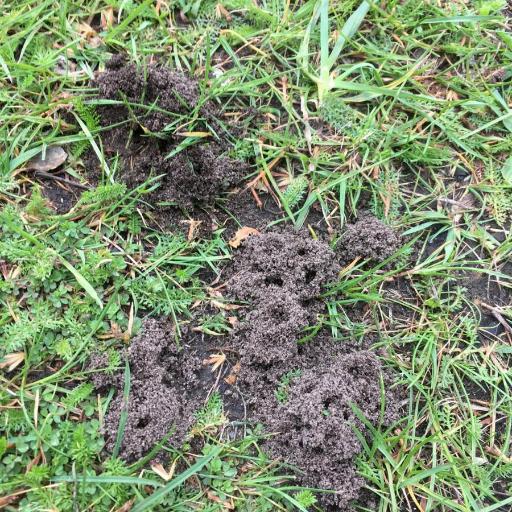
- 🐜 Hidden Mounds: In long grass, they create "soil domes"—small, soft mounds of earth that they use to catch the sun's warmth for their larvae.
🌲 Habitat & Ecology
- 🚜 Aphid Farmers: These ants are famous for "herding" root-feeding aphids like cattle. They protect the aphids from predators and, in return, "milk" them for a sugary liquid called honeydew, which serves as the colony's primary food source.
- 🕳️ Subterranean Life: Because they get all their food from root-dwelling insects, they rarely need to forage on the surface. This makes them excellent soil aerators, as they spend their lives tilling the earth deep beneath your lawn.
⚠️ Safety & Toxicity
- 🛡️ Harmless Neighbor: Lasius flavus is completely harmless to humans and pets. They do not have a sting, and their mandibles are far too small to bite through human skin.
- 🏡 Garden Impact: While their mounds might make a lawn look slightly uneven, they are not structural pests and will not damage your home. They are actually beneficial for soil health and do not share the "pantry-raiding" habits of black ants.
✨ Fun Fact
A colony of Yellow Meadow Ants can be incredibly long-lived; a single queen has been known to live for over 18 years, presiding over several generations of her yellow workers!
More Details








