Info
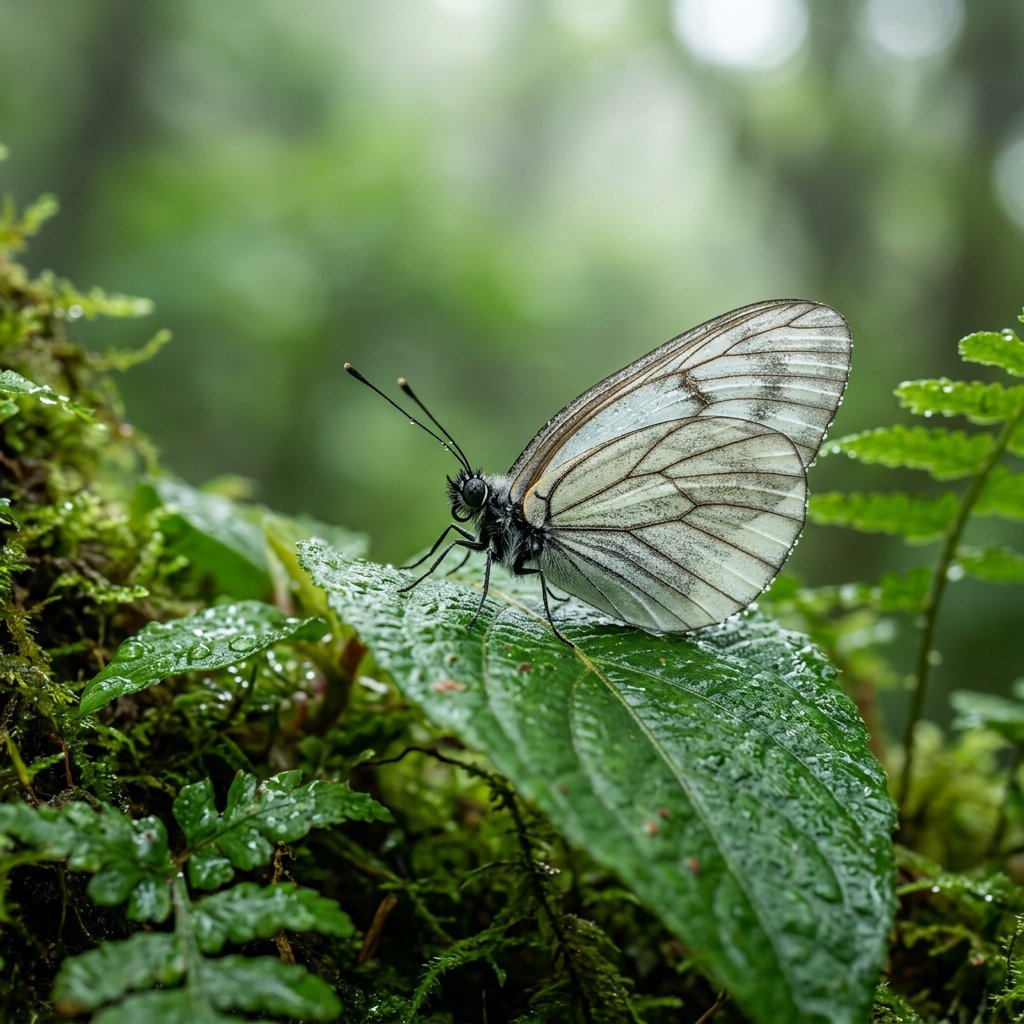
Known as the Mountain White, Leptophobia aripa looks like a fluttering scrap of white silk against the lush greenery of the Neotropics. While it may appear delicate, this butterfly is a resilient resident of high-altitude cloud forests and mountain valleys from Mexico down to Argentina. Often seen dancing over cabbage patches or wildflower meadows, it is a classic representative of the Pieridae family, blending simplicity with a vital ecological role.
🔍 How to Identify
- 🦋 The Wings: Primarily creamy white on the upper side, the wings feature subtle charcoal-black tips and edges. The underside often has a faint yellowish or greenish tint with more prominent dark veining.
- 📡 Clubbed Antennae: Like most butterflies, it possesses long, thread-like antennae tipped with small "clubs," which it uses to sniff out nectar-rich flowers from a distance.
- 🐛 Caterpillar Phase: The larvae are slender and bright green, often marked with faint yellow lateral stripes that allow them to disappear completely against the veins of a leaf.
🌲 Habitat & Ecology
- 🥦 A Garden Resident: This insect is often considered a "minor foe" by vegetable gardeners because its caterpillars have a voracious appetite for plants in the mustard and cabbage family (Brassicaceae).
- 🏔️ Mountain Specialist: Unlike many of its lowland relatives, the Mountain White thrives in cooler, mistier elevations. It acts as a crucial pollinator for high-altitude wildflowers that other insects might find too chilly to visit.
⚠️ Safety & Toxicity
- ✅ Harmless: The Mountain White is completely safe. It does not possess a stinger, and it does not bite. It is a gentle visitor to any backyard.
- 🧤 Fragile Wings: While safe for humans, humans are not always safe for them. Touching their wings can rub off the microscopic scales that provide lift and protection, so it is best to admire their flight from a short distance.
✨ Fun Fact
Despite their name "Leptophobia" (which translates from Greek as "fear of thinness" or "slenderness"), these butterflies are surprisingly hardy; they are known to be among the first insects to return to flight immediately after heavy tropical rainstorms.
More Details








