Info
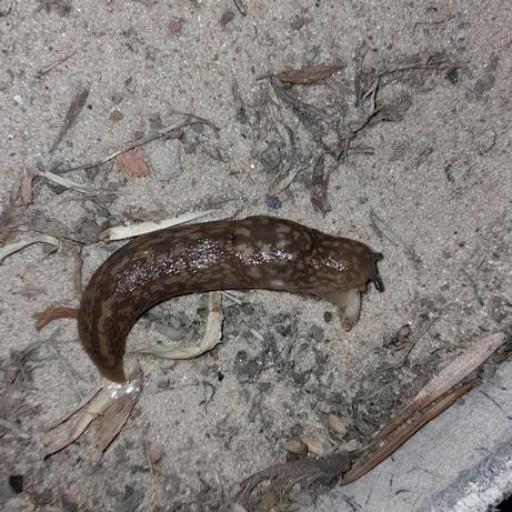
Often called the Yellow Slug or Cellar Slug, this gentle giant of the gastropod world is a nocturnal wanderer that prefers the damp corners of old buildings and gardens. While many people are wary of "slimy" creatures, this slug is a peaceful scavenger that acts as a natural cleanup crew, often living in close proximity to humans for years without being noticed.
🔍 How to Identify
- 🟡 Mottled Body: Its skin is a translucent yellow or greenish-grey, covered in pale yellow blotches that give it a "leopard-lite" appearance.
- 👀 Steel Blue Feelers: One of its most striking features is its tentacles (eyestalks), which are a distinct, beautiful steel-blue or grey-blue color.
- 💧 Yellow Mucus: If touched, it produces a thick, sticky slime that often has a noticeable yellow tint compared to the clear slime of other species.
🌲 Habitat & Ecology
- 🏚️ The Basement Dweller: True to its name, it thrives in damp, man-made environments like cellars, drains, and under paving stones. It is rarely found in open fields or deep forests.
- 🍄 A Helpful Scavenger: Unlike the invasive "Spanish Slug" that devours garden vegetables, the Yellow Slug primarily eats fungi, lichens, algae, and decaying organic matter. It’s more of a recycler than a pest.
⚠️ Safety & Toxicity
- 🛡️ Harmless to Touch: It has no sting, no bite, and is not venomous. It is perfectly safe to be around humans and handles its environment with a slow, steady pace.
- 🐕 Pet Precaution: While the slug itself isn't toxic, all slugs can carry parasites like Lungworm. Ensure your dogs or cats don't ingest them, and always wash your hands after handling to avoid any slime-borne bacteria.
✨ Fun Fact
The Yellow Slug has a remarkable homing instinct. Using a sophisticated "scent map," it can travel several meters away to find food in the dark and then return to the exact same damp crevice to sleep during the day!
More Details








